Understanding Environmental Control Systems
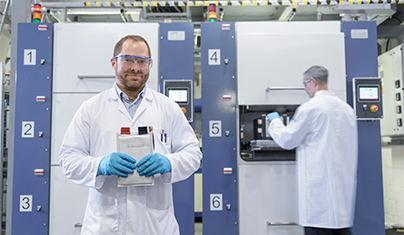
Understanding environmental control systems is crucial in various industries, ranging from manufacturing to healthcare. These systems are designed to maintain optimal conditions in terms of temperature, humidity, and air quality, ensuring the protection of sensitive products and enhancing operational efficiency. As concerns about environmental sustainability and energy efficiency continue to rise, the role of these control systems becomes increasingly significant. This article delves into the intricacies of environmental control systems, elucidating their components, functionalities, and the pivotal role they play in different sectors.
Core Components of Environmental Control Systems
Temperature Control
Temperature regulation is a fundamental aspect of environmental control systems.
- Thermostats: Devices that maintain the desired temperature by controlling heating and cooling systems.
- Heat exchangers: Equipment used to transfer heat between two or more fluids to regulate temperature efficiently.
- Chillers: Machines designed to remove heat from a liquid to cool down the environment.
For an in-depth understanding, read more about this topic.
Humidity Management
Controlling humidity is vital for preventing moisture-related damage and ensuring comfort.
- Dehumidifiers: Appliances that reduce and maintain the level of humidity in the air.
- Humidifiers: Devices that add moisture to the air to prevent dryness that can cause irritation.
- Hygrometers: Instruments used to measure the moisture content in the atmosphere.
Learn more in this detailed guide on humidity management techniques.
Air Quality Control
Ensuring high air quality is essential for health and safety in many environments.
- Air filters: Devices that remove contaminants from the air, improving air quality.
- Ventilation systems: Systems that circulate fresh air and remove stale air.
- Air purifiers: Technologies that sanitize the air by removing pollutants and allergens.
Find additional information here on maintaining optimal air quality.
Applications of Environmental Control Systems
Industrial Applications
In industrial settings, environmental control systems are crucial for maintaining product quality and operational efficiency. They are employed in:
- Manufacturing: Ensuring the stability of manufacturing processes by controlling environmental conditions.
- Data Centers: Preventing overheating and maintaining equipment integrity.
- Pharmaceuticals: Preserving the efficacy of drugs by avoiding temperature and humidity fluctuations.
Explore further insights here on industrial applications of these systems.
Commercial and Residential Uses
Environmental control systems are not only limited to industrial uses but are also prevalent in commercial and residential settings.
- Offices: Enhancing employee comfort and productivity by maintaining optimal indoor conditions.
- Hospitals: Ensuring sterile environments critical for patient care.
- Homes: Providing comfort and energy efficiency for residential living spaces.
For a deeper dive into commercial and residential applications, learn more here.
Conclusion
Environmental control systems are indispensable across various sectors due to their ability to create and maintain optimal environmental conditions. By effectively regulating temperature, humidity, and air quality, these systems safeguard products, enhance operational efficiency, and ensure the comfort and health of individuals. As technological advances continue to evolve, the future of environmental control systems promises increased sustainability and energy efficiency. For more comprehensive information on this subject, explore further insights here.
