Enhance Skills with Kids Piano Classes
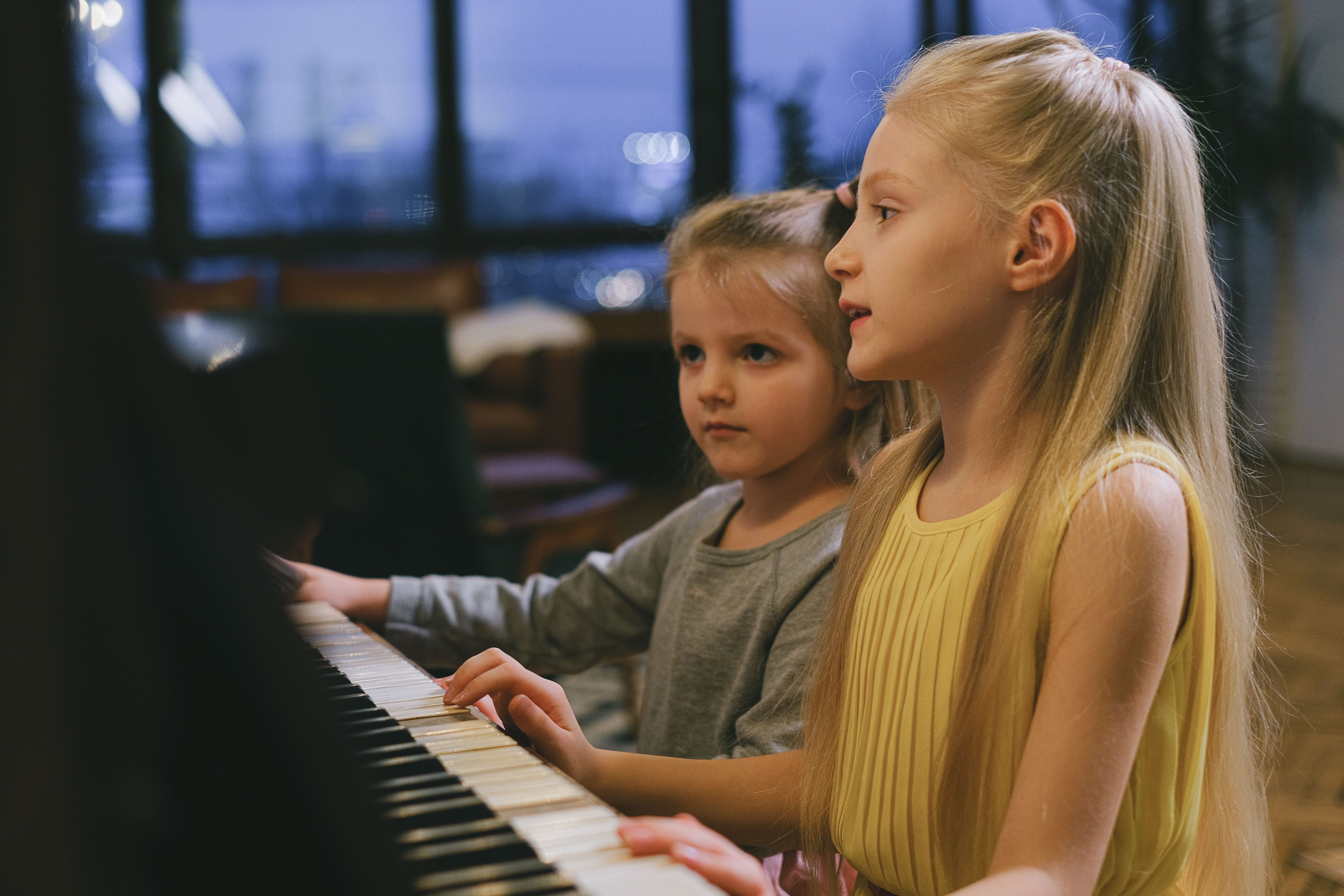
Piano classes for children are an excellent way to enhance a variety of skills that go beyond just musical ability. These classes are not only about learning to play an instrument; they are a gateway to cognitive development, emotional growth, and improved social skills. As children engage in piano lessons, they learn discipline, patience, and the joy of mastering a new skill. Moreover, music education has been linked to improved academic performance and increased self-esteem. For those interested in exploring the benefits and structure of children’s piano lessons, resources such as this detailed guide provide valuable insights.
The Cognitive Benefits of Piano Classes
Learning to play the piano engages multiple areas of the brain simultaneously. This engagement can lead to significant cognitive benefits, including:
- Improved memory and concentration
- Enhanced problem-solving skills
- Greater capacity for spatial-temporal reasoning
Studies have shown that children who participate in music education often perform better in subjects like mathematics and science. For parents interested in the cognitive advantages of music education, finding additional information here can be quite beneficial.
Emotional and Social Growth
Piano classes also contribute to emotional and social development in children. By learning to express themselves through music, children gain:
- Increased emotional intelligence
- Improved ability to manage stress and anxiety
- Enhanced communication and teamwork skills
Music is a universal language that fosters connection and understanding among peers. Participating in group classes or recitals can help children develop a sense of community and belonging. To explore further insights on this topic, read more about this topic.
Developing Discipline and Patience
Building a Foundation for Lifelong Skills
The discipline required to learn the piano is a valuable skill that can be applied throughout a child?s life. Regular practice teaches children the importance of perseverance and hard work. As they progress, they experience the satisfaction of achieving set goals, which reinforces:
- Self-discipline
- Time management
- Goal-setting abilities
These skills are not only crucial for music but are also transferable to academics and future careers. To understand more about how piano classes can instill these values, explore further insights here.
Choosing the Right Piano Class
Selecting the appropriate piano class for a child is crucial to maximizing the benefits of music education. Consider the following factors when choosing a class:
- The qualifications and experience of the instructor
- The class size and student-to-teacher ratio
- The teaching methodology and curriculum
- The availability of performance opportunities
A well-structured class can make a significant difference in a child’s learning experience. Parents are encouraged to research thoroughly and possibly attend a trial class to ensure the program aligns with their child’s needs. For more comprehensive guidance on choosing the right class, learn more in this detailed guide.
Conclusion
Piano classes for children offer a multitude of benefits that extend far beyond learning an instrument. They provide a solid foundation for cognitive, emotional, and social development, while also instilling essential life skills such as discipline and patience. As these classes continue to play a pivotal role in holistic child development, they remain a valuable investment in a child’s future. For those interested in starting this musical journey, find additional information here to begin exploring the possibilities.
