Expert Tips for French Drain Installation in Basement
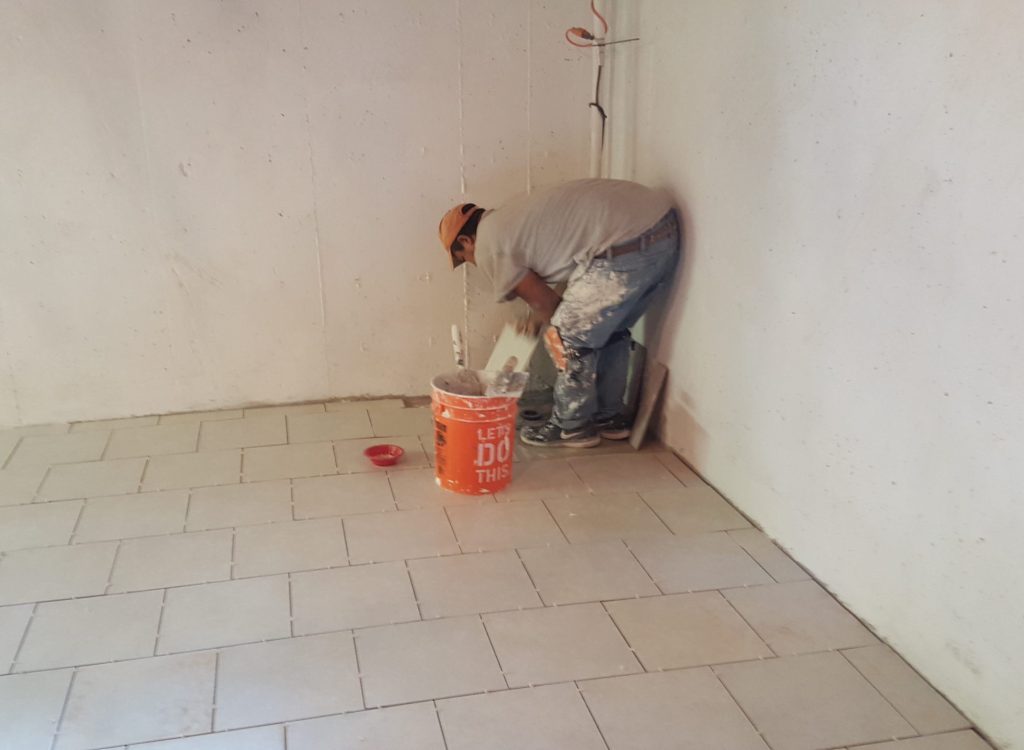
Basement waterproofing is a crucial aspect of maintaining a dry and healthy home environment. Among the most effective solutions for preventing water intrusion is the installation of a French drain system. This guide provides expert tips for implementing a French drain in a basement, ensuring effective water management and long-lasting protection against moisture-related damage.
Understanding French Drains
A French drain is a trench filled with gravel or rock containing a perforated pipe that redirects surface water and groundwater away from a specific area. This system is particularly beneficial in basements where water accumulation can lead to significant structural and health issues. Implementing a french drain installation in basement can effectively mitigate these risks.
Benefits of a French Drain System
- Prevents Water Damage: By redirecting water away, French drains protect basement walls and floors from water damage.
- Mold and Mildew Prevention: Reducing moisture levels prevents mold and mildew growth, promoting a healthier living space.
- Structural Integrity: Consistent water management preserves the foundation’s strength and stability.
Key Considerations Before Installation
Proper planning is essential for a successful French drain installation. Consider the following factors:
- Assessment of the Basement: Evaluate the basement’s current condition, identifying any existing water issues or potential sources of intrusion.
- Drainage Path: Determine the best path for the drain to ensure efficient water flow and discharge away from the foundation.
- Permits and Regulations: Verify local building codes and obtain necessary permits before commencing the installation.
Steps for Installing a French Drain
Implementing a French drain involves several methodical steps. Here”?s how to approach the installation process:
1. Planning and Design
Start by designing a system tailored to the specific needs of the basement. This includes mapping out the drain path, calculating the slope for water flow, and selecting appropriate materials.
2. Excavation
Using the design plan, excavate a trench along the basement perimeter. The trench should be deep enough to accommodate the gravel layer and the perforated pipe, allowing for effective water drainage.
3. Laying the Drain Pipe
- Pipe Placement: Place the perforated pipe at the bottom of the trench, ensuring the holes face downward to capture water efficiently.
- Gravel Filling: Surround the pipe with gravel, which facilitates water flow and prevents debris from entering the pipe.
4. Backfilling and Finishing
After laying the pipe and gravel, backfill the trench with soil. Ensure the surface is level and compacted to prevent future settling. Finally, restore any affected landscaping or flooring to its original state.
Maintenance Tips for Longevity
Regular maintenance is crucial to keep a French drain functioning optimally. Here are some maintenance tips:
- Regular Inspections: Periodically inspect the drain for blockages or damage, especially after heavy rain.
- Cleaning: Clear any debris from the surface to maintain unobstructed water flow.
- Professional Assessment: Engage professionals for periodic assessments to ensure the system’s integrity and effectiveness.
In conclusion, a well-installed French drain system in the basement is an invaluable asset for water management and home protection. By following these expert tips and maintaining the system regularly, homeowners can enjoy a dry, safe, and healthy basement environment. For more detailed guidance on french drain installation in basement, consulting with experienced professionals can provide tailored solutions and peace of mind.
