Embrace Sustainability: Passive House Builders for Green Homes
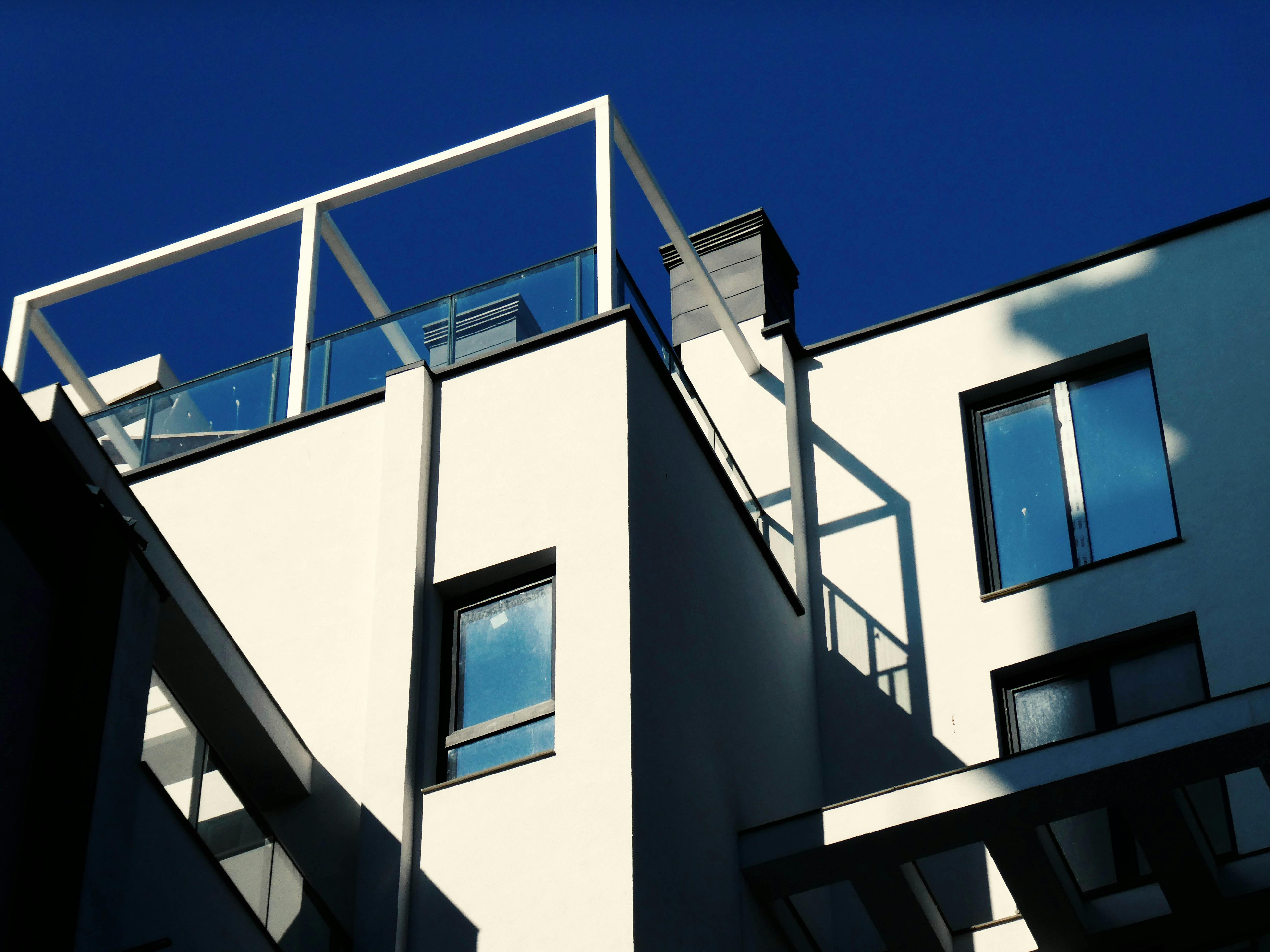
In an era where environmental consciousness is at the forefront of global initiatives, the construction industry plays a pivotal role in driving sustainability. Passive House Builders are revolutionizing the way green homes are designed and constructed, focusing on energy efficiency, sustainability, and comfort. These innovative building standards not only reduce the carbon footprint of homes but also offer long-term economic benefits to homeowners. As the demand for sustainable living spaces rises, understanding the principles of Passive House construction becomes increasingly critical.
Understanding Passive House Principles
The Passive House standard is a rigorous, voluntary standard for energy efficiency in a building, reducing its ecological footprint. It results in ultra-low energy buildings that require little energy for space heating or cooling. Core principles include:
- Thermal Insulation: High levels of insulation minimize heat loss, maintaining a consistent indoor temperature.
- Airtightness: Buildings are sealed to prevent any air leakage, which contributes significantly to energy savings.
- High-Performance Windows: Triple-glazed windows with insulated frames reduce heat loss and maximize solar gain.
- Mechanical Ventilation with Heat Recovery: This system ensures fresh air supply while retaining heat from exhaust air.
- Thermal Bridge-Free Construction: Design and construction techniques eliminate thermal bridges, reducing energy loss.
For a more comprehensive understanding of these principles, read more about this topic.
Benefits of Passive House Design
Opting for Passive House design offers numerous benefits for both the environment and homeowners. These include:
- Reduced Energy Costs: Significant savings on heating and cooling bills due to minimal energy requirements.
- Increased Comfort: Consistent indoor temperatures and high air quality contribute to a comfortable living environment.
- Environmental Impact: Reduced carbon emissions contribute to environmental conservation efforts.
- Durability and Low Maintenance: High-quality materials and construction techniques ensure longevity and minimal upkeep.
Explore further insights on the benefits of Passive House design here.
Challenges in Implementing Passive House Standards
While the benefits of Passive House standards are substantial, there are challenges involved in their implementation:
- Initial Costs: High upfront investment may be a deterrent for some homeowners.
- Complexity of Design: Requires precise planning and specialized knowledge to ensure standards are met.
- Limited Availability of Materials: High-performance materials may not be readily available in all regions.
- Regulatory Hurdles: Navigating building codes and regulations can be complex.
Find additional information on overcoming these challenges here.
The Future of Passive House Construction
As the world continues to prioritize sustainability, the adoption of Passive House standards is expected to grow. This growth will be fueled by advancements in technology, increased awareness of environmental issues, and a shift towards eco-friendly living. The future of construction will likely see more integration of smart technologies with Passive House principles, enhancing efficiency and comfort. Learn more in this detailed guide about the emerging trends and innovations in Passive House construction.
