Uterine Fibroid Embolization: A Non-Surgical Solution for Fibroid Symptoms
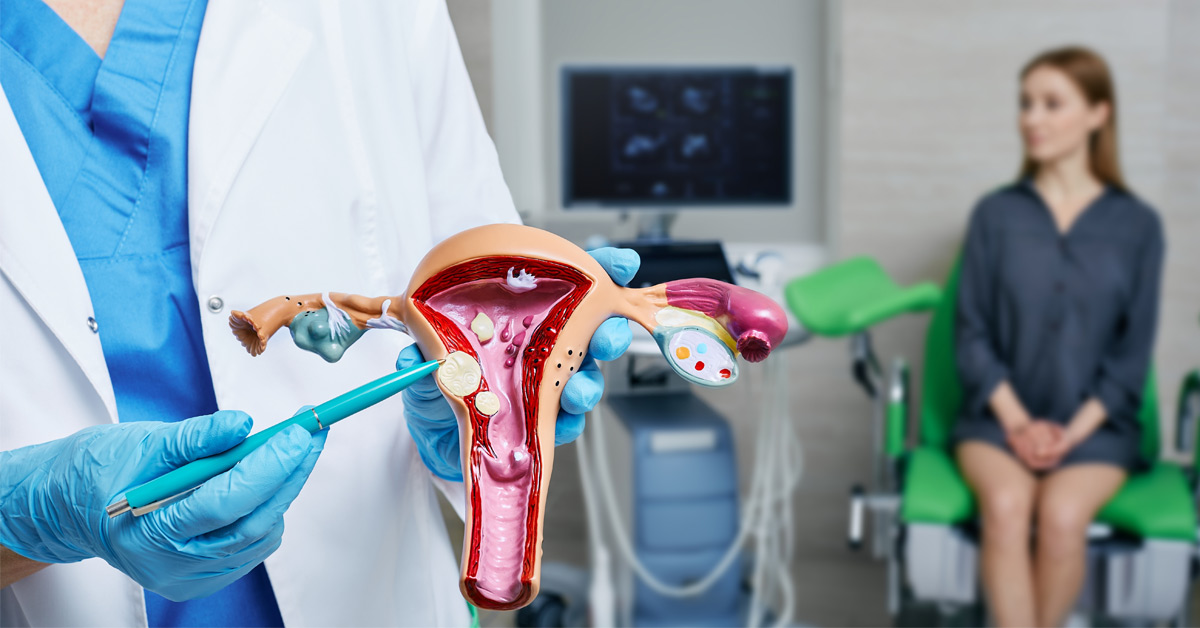
Uterine fibroids are non-cancerous growths that develop in or on the uterus, affecting millions of women worldwide. These fibroids can cause a range of symptoms, including heavy menstrual bleeding, pelvic pain, and frequent urination, significantly impacting a woman’s quality of life. While surgical options such as hysterectomy and myomectomy have been traditional treatments, a less invasive procedure known as Uterine Fibroid Embolization (UFE) offers a promising alternative. This procedure has gained attention for its ability to alleviate fibroid symptoms without the need for surgery, making it an attractive option for many women seeking relief.
Understanding Uterine Fibroid Embolization
Uterine Fibroid Embolization is a minimally invasive technique performed by an interventional radiologist. The procedure involves the insertion of a catheter into the uterine arteries, which supply blood to the fibroids. By injecting small particles through the catheter, the blood flow to the fibroids is blocked, causing them to shrink and die.
Benefits of Uterine Fibroid Embolization
- Minimally Invasive: Unlike traditional surgical methods, UFE does not require large incisions, reducing recovery time and minimizing risks such as infection.
- Preservation of the Uterus: UFE allows women to retain their uterus, which is a significant consideration for those who wish to maintain fertility or avoid hysterectomy.
- Effective Symptom Relief: Many patients experience significant relief from symptoms such as heavy bleeding, pain, and pressure after the procedure.
- Quick Recovery: Most women can return to normal activities within a week, which is considerably faster than recovery from major surgery.
The Procedure
The UFE procedure typically involves the following steps:
- Preparation: The procedure is usually performed on an outpatient basis, with the patient under local anesthesia. Pre-procedural imaging such as an MRI or ultrasound may be conducted to assess the size and location of the fibroids.
- Catheter Insertion: A small incision is made in the groin or wrist, and a catheter is guided through the blood vessels to the uterine arteries.
- Embolization: Tiny particles are injected through the catheter to block the blood supply to the fibroids, causing them to shrink over time.
- Post-Procedure Care: Patients are monitored for a few hours before being discharged. Pain management is provided, and follow-up visits are scheduled to monitor progress.
Considerations and Risks
While UFE is generally considered safe, it is important for patients to discuss potential risks and considerations with their healthcare provider:
- Possible Side Effects: Some women may experience cramping, nausea, or fever following the procedure.
- Fertility Considerations: Although UFE preserves the uterus, its impact on future fertility is still under study. Women desiring future pregnancies should discuss options with their doctor.
- Long-Term Effectiveness: While many women report significant improvement in symptoms, some may require additional treatment if fibroids recur.
Conclusion
Uterine Fibroid Embolization represents a significant advancement in the treatment of fibroids, offering a non-surgical solution that effectively alleviates symptoms for many women. As with any medical procedure, it is crucial to consult with a healthcare professional to determine the most appropriate treatment based on individual needs and health conditions. For those exploring alternatives to surgery, UFE provides a viable option that combines efficacy with a minimally invasive approach.
