Environmental Testing Services: Your Solution for Clean Indoor Air
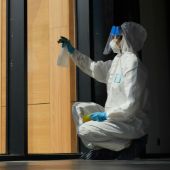
Indoor air quality (IAQ) has become a critical factor for health, productivity, and overall comfort in homes, schools, offices, and industrial facilities. Poor IAQ can lead to respiratory issues, allergic reactions, and reduced cognitive performance. Environmental testing services provide the scientific data needed to identify contaminants, assess risk, and guide remediation strategies. By employing standardized sampling methods and advanced laboratory analysis, these services help stakeholders make informed decisions that protect occupants and preserve the integrity of building systems.
Why Environmental Testing Is Essential
The indoor environment can harbor a range of pollutants that are invisible to the naked eye. Without systematic testing, these hazards often go undetected until they cause measurable health impacts. Regular assessments are especially important in:
- Older buildings with legacy materials such as asbestos or lead-based paint.
- Facilities located near industrial zones, traffic corridors, or agricultural operations.
- Spaces with high humidity that promote mold growth.
- Areas where chemical storage or processing occurs.
Understanding the specific contaminants present allows for targeted mitigation rather than costly, generic solutions. For a deeper look at the benefits of proactive IAQ management, Read more about this topic.
Core Components of an Environmental Testing Program
1. Air Sampling
Air sampling captures airborne particles, gases, and volatile organic compounds (VOCs). Common techniques include:
- Passive samplers for long-term monitoring of formaldehyde, radon, or VOCs.
- Active pumps that draw a known volume of air through filters for particulate analysis.
- Real-time monitors that provide immediate feedback on temperature, humidity, and carbon dioxide levels.
2. Surface and Material Testing
Surface swabs, dust collection, and bulk material analysis identify hidden sources of contamination such as:
- Asbestos fibers in insulation or ceiling tiles.
- Lead residues on painted surfaces.
- Mold spores in HVAC ducts or wall cavities.
3. Data Interpretation and Reporting
Qualified analysts compare results against national and international standards, then produce clear, actionable reports. These documents typically include:
- Quantitative concentrations of each contaminant.
- Risk assessment relative to health guidelines.
- Recommendations for remediation, ventilation improvements, or ongoing monitoring.
For a comprehensive overview of how results are interpreted, Learn more in this detailed guide.
Key Benefits of Professional Testing Services
- Health Protection: Early detection of harmful agents reduces the likelihood of chronic illnesses and acute episodes.
- Regulatory Compliance: Many jurisdictions require documented IAQ assessments for occupational safety and building certifications.
- Cost Efficiency: Targeted remediation avoids unnecessary expenses and minimizes downtime.
- Occupant Confidence: Transparent reporting builds trust among employees, students, patients, or residents.
The systematic approach provided by certified testing laboratories ensures that every step, from sample collection to final recommendations, is performed with scientific rigor. To explore additional advantages of a structured IAQ program, Explore further insights here.
Choosing the Right Testing Approach
The selection of testing methods depends on building type, occupancy patterns, and known risk factors. Consider the following decision framework:
- Initial Assessment: Conduct a walkthrough to identify visible issues (water damage, poor ventilation) and prioritize sampling locations.
- Scope Definition: Determine whether a one-time audit or a long-term monitoring plan is required.
- Methodology Alignment: Match sampling techniques to target contaminants (e.g., passive radon detectors for basement spaces).
- Quality Assurance: Ensure laboratories follow ISO/IEC 17025 or equivalent accreditation standards.
Guidelines for developing a customized testing plan can be found by Find additional information here.
Future Trends in Indoor Air Quality Management
Technology is reshaping how indoor environments are monitored and controlled. Emerging trends include:
- IoT-Enabled Sensors: Networked devices deliver continuous data streams to cloud platforms for real-time analysis.
- Predictive Analytics: Machine-learning models forecast IAQ fluctuations based on occupancy, weather, and system performance.
- Integrated Building Management Systems (BMS): Automated ventilation and filtration adjustments respond instantly to sensor inputs.
- Portable Lab-On-A-Chip Devices: Rapid on-site analysis reduces turnaround time for critical contaminants.
Staying informed about these innovations helps facilities maintain optimal air quality while adapting to evolving health standards. For an overview of how these technologies are being applied, Read more about this topic.
Conclusion
Clean indoor air is not a luxury, it is a foundational element of a healthy, productive environment. Environmental testing services provide the evidence-based insight required to identify hazards, comply with regulations, and implement effective remediation strategies. By integrating systematic testing with emerging monitoring technologies, building owners and managers can safeguard occupant health, reduce operational costs, and future-proof their indoor spaces against evolving air quality challenges.
