Lock Replacement Services: Comprehensive Security Lock Solutions for All Properties
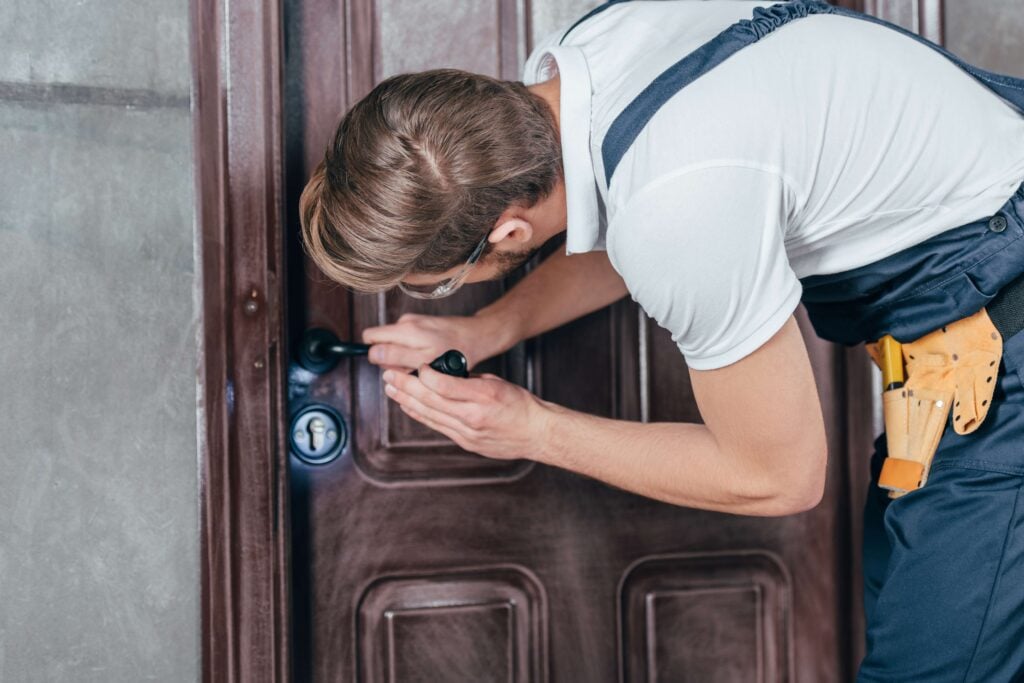
When a lock fails to perform its primary function, protecting people and assets, the need for a reliable replacement becomes urgent. Lock replacement services encompass a broad range of options, from simple deadbolt swaps to sophisticated electronic access systems. Understanding the variables that influence selection, installation, and maintenance helps property owners make informed decisions that enhance safety while respecting budgetary constraints. This article outlines the essential components of a comprehensive lock replacement strategy, suitable for residential, commercial, and industrial environments.
Why Replace Existing Locks?
Several scenarios justify a lock upgrade:
- Wear and tear: Mechanical components degrade over time, reducing effectiveness.
- Security breaches: Evidence of forced entry or lock picking indicates compromised hardware.
- Technology integration: Modern access control (keyless entry, biometric scanners) often requires compatible hardware.
- Regulatory compliance: Updated building codes or insurance requirements may mandate specific lock standards.
Addressing these factors promptly minimizes risk and can extend the lifespan of the overall security system.
Types of Locks Available for Replacement
Mechanical Locks
Traditional mechanical locks remain popular due to their simplicity and cost-effectiveness. Common varieties include:
- Deadbolts (single- and double-cylinder)
- Knob locks
- Lever-handle locks
- Keyed-entry locks for interior doors
Electronic and Smart Locks
Electronic solutions provide remote management, audit trails, and keyless convenience. Options range from keypad entry systems to Wi-Fi-enabled smart locks that integrate with home automation platforms. For deeper insight into modern lock technology, Read more about this topic.
High-Security Locks
Designed to resist drilling, picking, and bumping, high-security locks often feature reinforced cylinders and patented keyways. They are ideal for commercial storefronts, data centers, and high-value residential properties.
Assessing Property Needs
Before selecting a replacement, conduct a thorough assessment that considers:
- Entry point traffic: High-traffic doors benefit from durable, low-maintenance hardware.
- Access control requirements: Determine whether individual user codes, key cards, or biometric verification are needed.
- Environmental factors: Outdoor doors may require corrosion-resistant finishes.
- Budget constraints: Balance upfront costs with long-term maintenance savings.
Installation Best Practices
Proper installation is critical to ensure that a new lock functions as intended. Key practices include:
- Verifying door alignment and strike plate positioning before mounting.
- Using manufacturer-recommended fasteners and torque specifications.
- Testing the lock multiple times after installation to confirm smooth operation.
- Documenting serial numbers and warranty information for future reference.
Professional installation can also guarantee compliance with local building codes. For a step-by-step overview of installation considerations, Learn more in this detailed guide.
Maintenance and Longevity
Even the highest-quality lock will deteriorate without regular care. Recommended maintenance routines are:
- Lubricating moving parts with a graphite-based lubricant every six months.
- Inspecting strike plates and hinges for wear or loosening.
- Re-keying or reprogramming electronic locks after personnel changes.
- Scheduling annual professional inspections to detect hidden faults.
Adhering to these practices can extend the service life of a lock by 30-40″?%.
Choosing a Service Provider
When selecting a lock replacement service, evaluate the following criteria:
- Licensing and certification specific to locksmithing.
- Experience with the particular lock type required.
- Availability of emergency response for urgent lock failures.
- Transparent pricing structures and written warranties.
For additional guidance on evaluating service quality, Explore further insights here.
Cost Considerations
Costs vary widely based on lock type, door material, and labor rates. Approximate ranges include:
- Basic deadbolt replacement: $80-$150 (parts and labor).
- Smart lock installation: $150-$300.
- High-security commercial lock systems: $300-$800 per door.
While upfront expenses may differ, consider total cost of ownership, including maintenance, potential insurance discounts, and reduced break-in risk, when budgeting.
Future Trends in Lock Technology
The lock industry is evolving toward integrated security ecosystems. Emerging trends to watch:
- Biometric authentication paired with cloud-based access logs.
- Bluetooth Low Energy (BLE) and NFC entry for mobile devices.
- Artificial-intelligence-driven intrusion detection that alerts owners in real time.
- Modular lock systems that allow easy upgrades without full replacement.
Staying informed about these developments helps property owners plan scalable security solutions. For a broader perspective on upcoming innovations, Find additional information here.
Conclusion
Lock replacement services provide a critical foundation for protecting residential, commercial, and industrial properties. By assessing security needs, selecting appropriate lock types, ensuring professional installation, and committing to regular maintenance, property owners can achieve a robust, long-lasting defense against unauthorized access. Continuous education on emerging technologies further empowers stakeholders to adapt their security posture as threats evolve, ensuring that safety remains both effective and cost-efficient.
