Automation Integration Services Enable Smart Factory Transformation
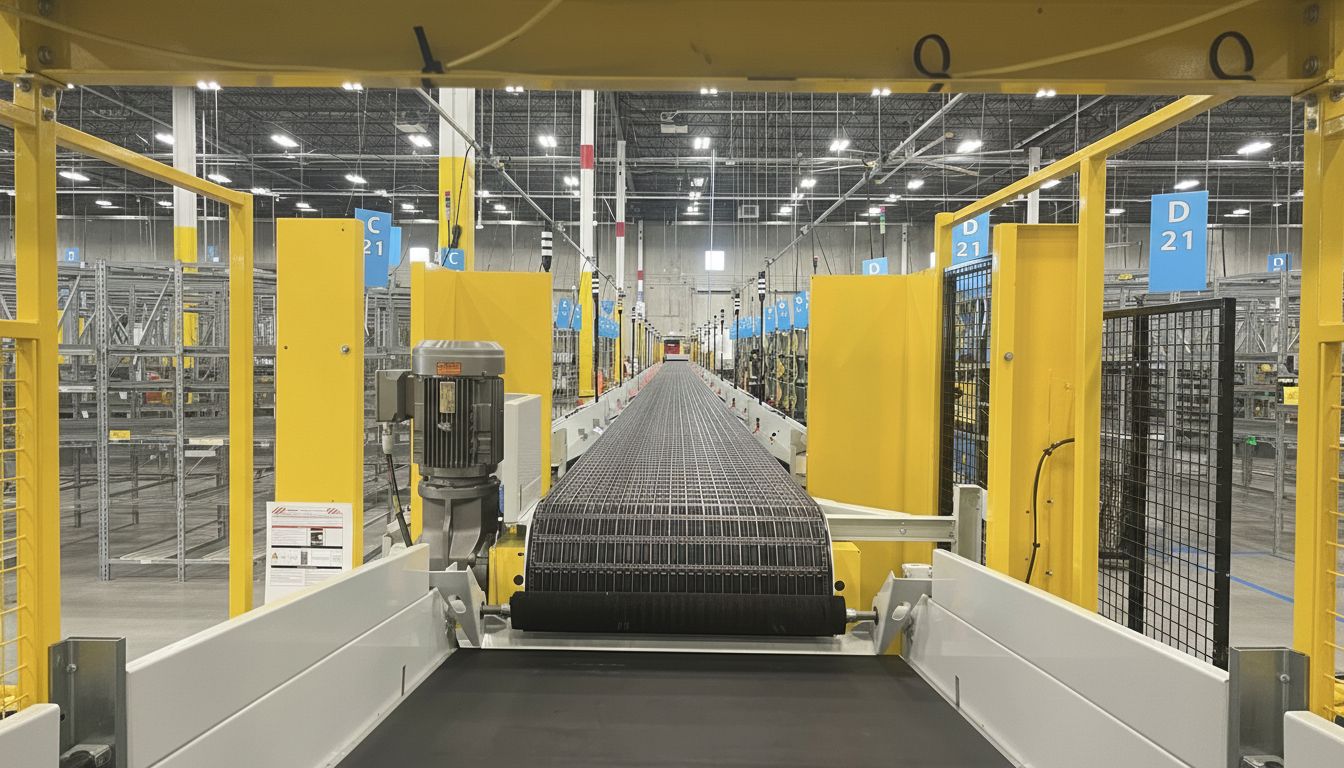
The integration of automation technologies into manufacturing processes has revolutionized the way factories operate. By leveraging the potential of automation integration services, companies can transform their production lines into smart factories, achieving increased efficiency, reduced costs, and enhanced product quality. As the manufacturing landscape continues to evolve, it is crucial for businesses to adopt these cutting-edge solutions to remain competitive. For instance, a recent report highlights the benefits of automation in the manufacturing sector, stating that it can lead to a 10-15% increase in productivity and a 5-10% reduction in energy consumption. To learn more about the impact of automation on manufacturing, read more about this topic.
Streamlining Production with Automation Integration
Automation integration services enable the seamless integration of various systems, including machinery, sensors, and software. By connecting these components, manufacturers can create a centralized platform for monitoring and controlling production processes. This not only enhances real-time visibility but also enables data-driven decision-making, allowing for prompt responses to changes in demand or production issues. For instance, a company can use automation integration to monitor its production line and receive alerts when a machine is about to fail, enabling proactive maintenance and minimizing downtime. To explore further insights on how automation integration can optimize production, visit the MT LI website.
Benefits of Automation Integration
The benefits of automation integration are numerous and far-reaching. Some of the key advantages include:
- Increased productivity and efficiency
- Reduced energy consumption and costs
- Improved product quality and consistency
- Enhanced real-time visibility and data-driven decision-making
- Reduced downtime and increased machine availability
By adopting automation integration services, manufacturers can reap these benefits and stay ahead of the competition. For instance, a company that has implemented automation integration has seen a significant reduction in production time and an increase in product quality. To learn more about the benefits of automation integration, find additional information here.
Implementing Automation Integration Services
Implementing automation integration services requires careful planning and execution. It is essential to identify the specific needs of the business and select the most suitable solutions. This may involve assessing the existing infrastructure, identifying areas for improvement, and developing a customized implementation plan. By working with experienced professionals, manufacturers can ensure a smooth transition to automation integration and maximize the benefits of this technology. To explore further insights on how to implement automation integration, explore further insights here.
Conclusion
The integration of automation technologies into manufacturing processes has revolutionized the way factories operate. By leveraging the potential of automation integration services, companies can transform their production lines into smart factories, achieving increased efficiency, reduced costs, and enhanced product quality. As the manufacturing landscape continues to evolve, it is crucial for businesses to adopt these cutting-edge solutions to remain competitive. By adopting automation integration services, manufacturers can stay ahead of the competition and achieve long-term success. For instance, a company that has implemented automation integration has seen significant improvements in productivity and product quality. To learn more about the benefits of automation integration, read more about this topic.
