Automate Your Mileage Tracking with Top Software Solutions
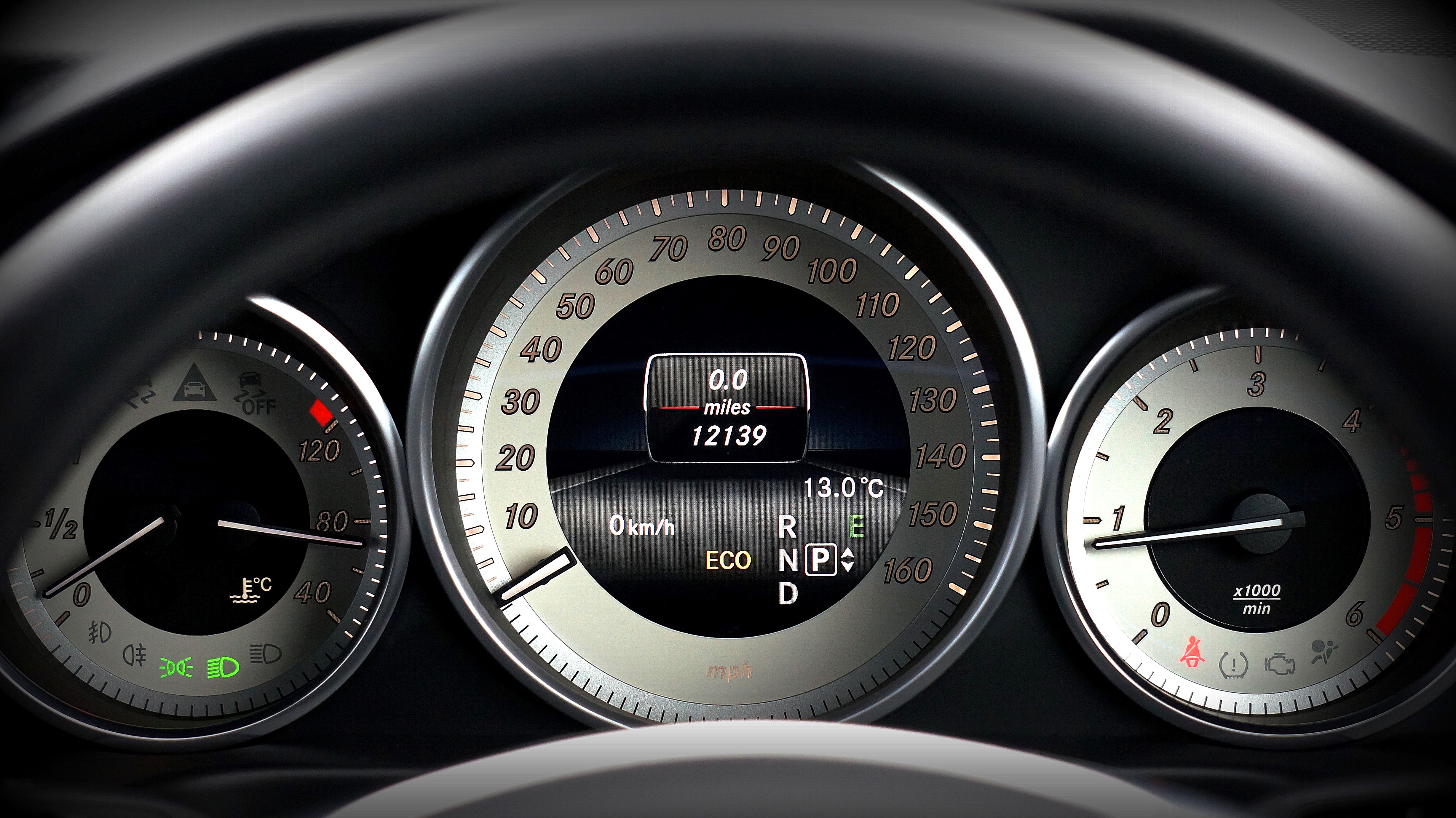
In the fast-paced world of business, efficiency is key. With businesses striving to optimize operations and reduce costs, mileage tracking has become an essential task. Manually tracking mileage can be cumbersome and prone to errors, draining valuable time and resources. Fortunately, automation technology offers a solution to this challenge. By leveraging advanced software solutions, businesses can ensure accurate mileage tracking while minimizing administrative burdens. This article explores the top software solutions available today, providing insights into how they can streamline business operations.
Understanding the Need for Automated Mileage Tracking
Accurate mileage tracking is crucial for businesses that rely on vehicle fleets for their operations. Whether it’s for tax deductions, reimbursement claims, or operational analytics, maintaining precise records is essential. However, manual tracking often leads to:
- Human errors that can lead to financial discrepancies.
- Time-consuming processes that divert focus from core business activities.
- Difficulty in verifying and auditing mileage claims.
Automated mileage tracking software addresses these challenges by providing a seamless and efficient way to monitor vehicle usage. Discover expert strategies here.
Key Features of Mileage Tracking Software
When selecting a mileage tracking solution, it’s crucial to consider the features that will best serve the needs of your business. The most effective software solutions typically include:
1. GPS Tracking
Real-time GPS tracking ensures that all trips are accurately recorded without the need for manual input. This feature not only enhances accuracy but also provides data that can be analyzed for route optimization.
2. Automated Reports and Analytics
Generating detailed reports is a significant advantage of automated systems. These reports can be customized to provide insights into travel patterns, costs, and potential savings. Learn about tailored solutions here.
3. Integration Capabilities
For seamless operations, it’s important that mileage tracking software can integrate with existing accounting and payroll systems. This ensures that mileage data is synchronized across platforms, reducing the need for manual data entry.
4. User-Friendly Interface
A user-friendly interface is crucial for ensuring that all team members can easily navigate the system and access necessary information without extensive training.
Benefits of Automating Mileage Tracking
The transition to automated mileage tracking systems offers numerous advantages:
- Cost Efficiency: Reducing manual processes lowers administrative costs and minimizes errors that could lead to financial loss.
- Time Savings: Automation frees up valuable time, allowing employees to focus on more strategic tasks.
- Data Accuracy: Automated systems provide precise and reliable data, essential for audits and compliance.
- Real-time Insights: Access to real-time data enables businesses to make informed decisions about fleet management and route planning. Explore advanced guides and tips here.
Choosing the Right Mileage Tracking Software
Selecting the appropriate software requires careful consideration of the specific needs and operational dynamics of your business. Factors to consider include:
- Scalability: Ensure the software can grow with your business and handle increased demands.
- Customization: The ability to tailor the software to meet unique business requirements is crucial.
- Support and Training: Adequate customer support and training resources enhance adoption and effectiveness.
For businesses seeking to optimize their mileage tracking processes, automated solutions provide a viable path forward. By understanding the features, benefits, and considerations outlined above, organizations can make informed decisions that align with their operational goals. Find out more about this approach here.
