Buying Magnesium Glycinate Supplement UK: What to Look for in 2024
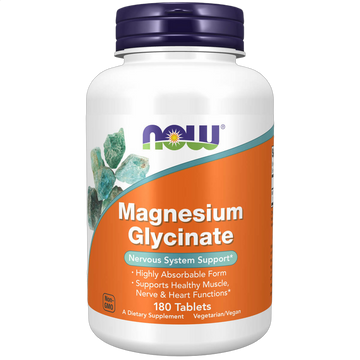
Magnesium glycinate has become a staple for anyone looking to support muscle function, nerve health, and overall wellbeing. In the United Kingdom, the market is flooded with options, making it essential to know exactly what to look for when choosing a supplement in 2024. This guide breaks down the key factors, purity, dosage, form, and third-party testing, so you can select a product that delivers consistent results without compromising safety or value.
Why Choose Magnesium Glycinate?
Magnesium exists in many forms, but glycinate is prized for its high bioavailability and gentle impact on the digestive system. When magnesium is bound to the amino acid glycine, it is more readily absorbed, reducing the likelihood of the laxative effect commonly associated with other magnesium salts.
Core Benefits
- Enhanced absorption: Studies show up to 80″?% bioavailability compared with magnesium oxide.
- Gentle on the stomach: Minimal gastrointestinal discomfort, making it suitable for daily use.
- Supports sleep and mood: Glycine itself has calming properties that complement magnesium’s role in neurotransmission.
- Muscle recovery: Helps reduce cramps and supports post-exercise repair.
Key Criteria for Selecting a Magnesium Glycinate Supplement in the UK
1. Form – Powder vs. Tablet
Both formats have their advantages. Magnesium glycinate powder allows for flexible dosing and can be mixed into smoothies or water, which is useful for those who dislike swallowing tablets. Capsules or tablets, on the other hand, offer convenience and precise dosing without the need for preparation.
2. Purity and Ingredient Transparency
Look for products that list the exact amount of elemental magnesium per serving and disclose all excipients. Ideal supplements will be free from unnecessary fillers, artificial colours, and common allergens such as gluten or soy.
3. Chelation Quality
True chelation means each magnesium ion is bonded to glycine, ensuring stability throughout the digestive tract. When a label emphasizes chelated magnesium glycinate, it signals that the manufacturer has taken steps to preserve the mineral’s bioavailability.
4. Dosage Alignment with Recommended Daily Allowance (RDA)
The UK’s Reference Nutrient Intake for magnesium for adults is 300-400″?mg of elemental magnesium per day. A high-quality supplement typically provides 100-200″?mg per dose, allowing users to combine the product with dietary sources to meet their individual needs.
5. Third-Party Testing and Certification
Independent testing verifies that the product contains what the label claims and is free from contaminants such as heavy metals, pesticides, or micro-plastics. Look for certifications from bodies like the UK Food Standards Agency (FSA) or internationally recognised labs such as NSF or Informed-Sport.
6. Value for Money
Calculate the cost per milligram of elemental magnesium rather than the price per bottle. A slightly higher upfront cost can be justified if the supplement delivers a higher concentration of pure magnesium glycinate.
Additional Features to Consider
- Vegan/vegetarian suitability: Plant-based capsules or powder without animal-derived binders.
- Added synergistic ingredients: Vitamin B6, zinc, or taurine can enhance magnesium’s efficacy.
- Packaging sustainability: Recyclable containers or minimal plastic use aligns with environmentally conscious purchasing.
How to Verify a Quality Product
- Read the supplement facts panel carefully, ensure the amount listed is elemental magnesium, not the total compound weight.
- Check for a batch-specific Certificate of Analysis (CoA) on the retailer’s website.
- Search for user reviews that mention absorption, taste (for powders), and any side-effects.
- Confirm that the product is marketed as a magnesium glycinate supplement uk and not a generic magnesium blend.
Where to Purchase in 2024
Reputable UK-based retailers and specialist health stores typically carry a curated selection of magnesium glycinate. Buying directly from a brand’s official site often provides access to the latest formulations, detailed lab reports, and reliable customer support. Ensure that the seller offers a clear return policy and transparent shipping information.
Conclusion
Choosing the right magnesium glycinate supplement in the UK hinges on understanding bioavailability, dosage, purity, and third-party verification. By focusing on chelated forms, checking for clear labelling, and evaluating cost per milligram of elemental magnesium, consumers can make an informed decision that supports long-term health goals. Whether opting for a convenient tablet or a versatile powder, the right product will seamlessly integrate into daily routines, delivering the calming, muscle-supporting benefits that magnesium glycinate is renowned for.
