Effective Autism Therapy Programs Available
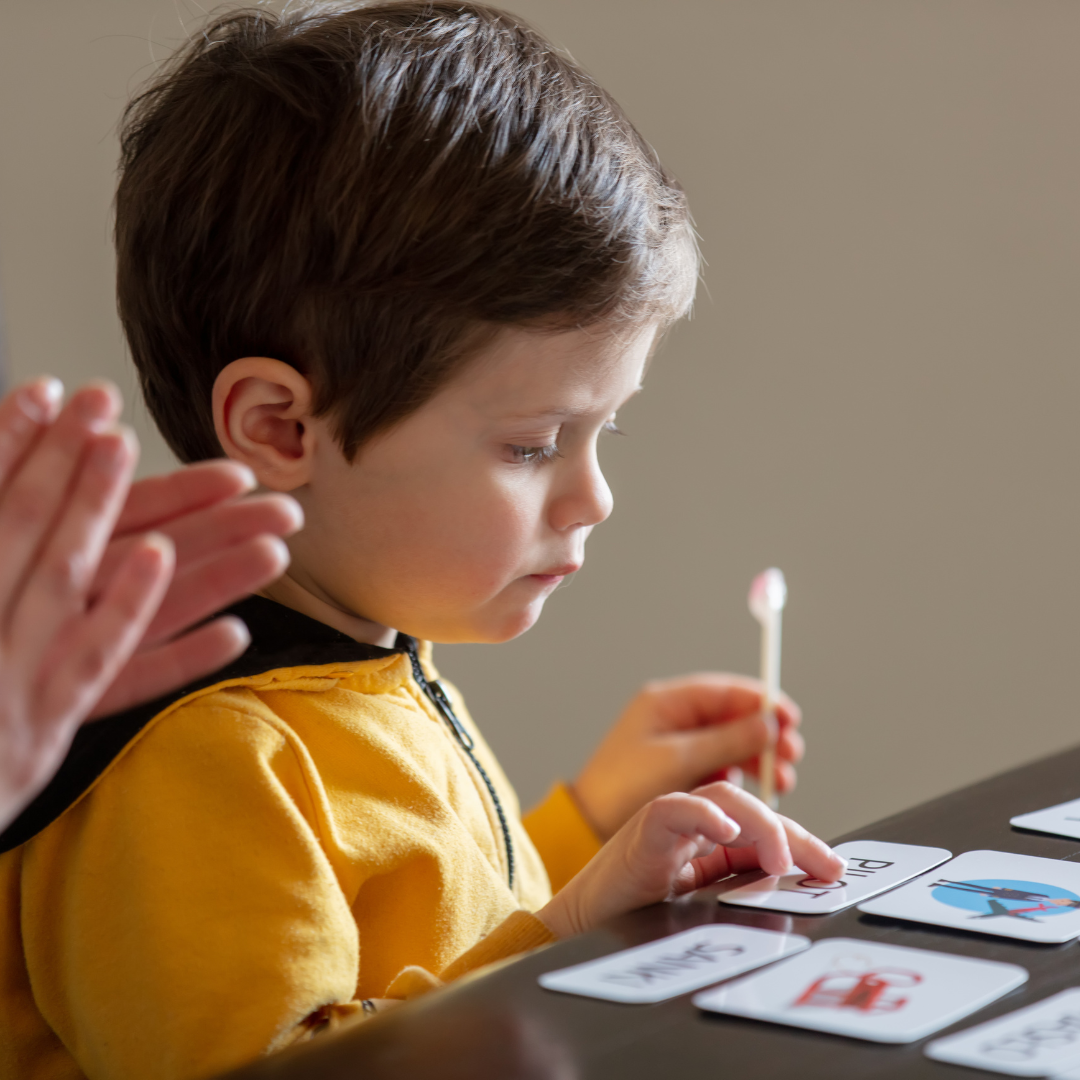
Autism therapy programs have become increasingly sophisticated, with a variety of approaches available to cater to the unique needs of individuals diagnosed with Autism Spectrum Disorder (ASD). These programs are designed to enhance communication, social skills, and cognitive abilities, thereby improving the quality of life for those with autism. As understanding of autism continues to grow, so too does the array of therapeutic options, each targeting different aspects of the disorder to provide comprehensive support.
Behavioral Therapy
Behavioral therapy is one of the most commonly used approaches in autism treatment. It focuses on reinforcing desired behaviors while reducing those that interfere with learning and functioning. The most well-known form of this therapy is Applied Behavior Analysis (ABA).
- ABA involves intensive, one-on-one sessions with a trained therapist.
- It uses positive reinforcement to encourage beneficial behaviors.
- Programs are highly structured and tailored to the individual’s needs.
For those interested in this method, there are resources available to discover expert strategies here.
Speech Therapy
Speech therapy is crucial for many individuals with autism, particularly those who experience difficulties with communication.
- Therapists work on improving verbal communication skills and understanding non-verbal cues.
- The therapy often includes the use of picture boards or electronic communication devices.
- It can be particularly effective in aiding children to express themselves better.
To learn about our tailored solutions in speech therapy, various resources are accessible.
Occupational Therapy
Occupational therapy helps individuals with autism develop the skills necessary for daily living. This can include fine motor skills, play skills, and sensory integration.
- Therapists create customized activities that improve coordination and dexterity.
- Sensory integration therapy can help children who are sensitive to sensory input.
- Focus is often placed on helping individuals succeed in school and social settings.
For more details, find out more about this approach to occupational therapy.
Social Skills Training
Social skills training is essential for helping individuals with autism interact more effectively with their peers and adults.
- Programs are designed to teach understanding of social norms and cues.
- Role-playing and group activities are commonly used techniques.
- Training can lead to improved relationships and increased confidence in social settings.
To explore comprehensive guides to social skills training, explore advanced guides and tips.
Sensory Integration Therapy
Sensory integration therapy addresses the sensory processing issues commonly experienced by individuals with autism.
- The therapy helps individuals manage overwhelming sensory stimuli.
- Treatments are often play-based, involving activities that challenge sensory responses.
- It aims to improve how the brain processes sensory information, leading to better emotional and behavioral responses.
For those looking to understand this therapy further, find out more about this approach.
In conclusion, the diversity of autism therapy programs reflects the complex nature of ASD. Each approach offers unique benefits and can be tailored to meet the specific needs of the individual. As research continues to evolve, these therapeutic options will likely become even more refined, providing greater support for those affected by autism. For a deeper understanding and additional resources, professionals and families can discover expert strategies here.
