Electrical Panel Upgrade Service for Enhanced Efficiency
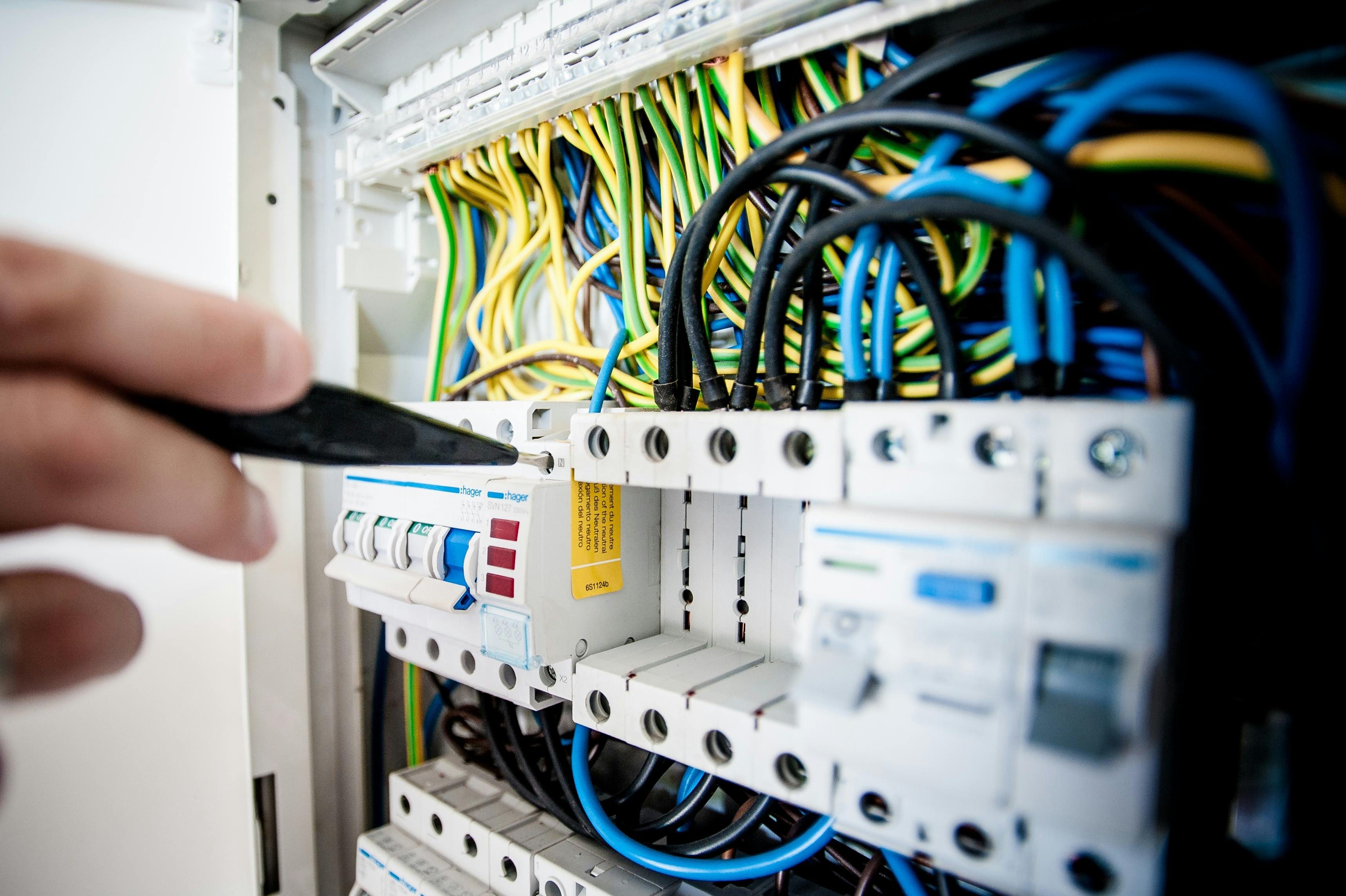
Modern homes and commercial properties rely heavily on electrical systems that can safely handle increasing power demands. As appliances become more energy-intensive and smart devices proliferate, the original panel installed decades ago may no longer provide the capacity, safety, or efficiency required. Upgrading an electrical panel not only prevents overloads and potential fire hazards but also improves overall energy performance, reduces utility costs, and prepares the building for future technology integration.
Why an Electrical Panel Upgrade Is Essential
Several factors make a panel upgrade a prudent investment:
- Increased Load Capacity: New panels can accommodate additional circuits for modern appliances, electric vehicle chargers, and home automation systems.
- Enhanced Safety: Updated breakers and wiring reduce the risk of short circuits, arcing, and overheating.
- Code Compliance: Current electrical codes demand higher standards for grounding, AFCI/GFCI protection, and fault tolerance.
- Improved Efficiency: Modern panels minimize voltage drops and improve power distribution, leading to lower energy waste.
For homeowners in the Bonney Lake area seeking reliable guidance, Discover expert strategies here.
Key Benefits of an Upgraded Panel
1. Reliable Power Distribution
A new panel features higher-rated breakers that can handle larger amperage loads without tripping. This ensures that high-demand devices, such as HVAC systems, electric ranges, and workshop equipment, operate smoothly.
2. Future-Proofing Your Electrical System
With the rise of electric vehicles and renewable energy installations, having spare slots in the panel is crucial. An upgraded panel provides the flexibility to add EV chargers or integrate solar inverters without extensive rewiring.
3. Increased Property Value
Potential buyers often view a modern electrical system as a major selling point. A recent home appraisal indicated that a panel upgrade could add 1-2% to the overall property value, reflecting the added safety and convenience.
Steps Involved in a Professional Panel Upgrade
- Initial Assessment: A licensed electrician conducts a thorough inspection, evaluating current load, wiring condition, and future power needs.
- Design & Planning: Based on the assessment, a customized panel layout is created, selecting appropriate breaker types (AFCI, GFCI, dual-pole) and ensuring code compliance.
- Permitting: Local building departments require permits for electrical work; the electrician handles the paperwork and schedule inspections.
- Installation: The old panel is safely disconnected, and the new unit is mounted, wired, and labeled. All connections are tightened to manufacturer specifications.
- Testing & Certification: Post-installation testing verifies proper grounding, breaker operation, and load balance. A final inspection grants a certificate of compliance.
For a detailed walkthrough of these phases, Learn about our tailored solutions.
Choosing the Right Panel Size and Type
Selecting an appropriate panel depends on current consumption and projected growth. Below are common configurations:
- 100-Amp Panel: Suitable for smaller homes with modest electrical demand.
- 200-Amp Panel: The most common upgrade, providing ample capacity for modern appliances and EV chargers.
- 300-Amp or Larger: Ideal for large residences, home offices, or properties with extensive workshop equipment.
Advanced panels may include smart breaker technology, allowing remote monitoring and load management via mobile apps. This feature aligns with the growing trend toward home energy automation.
Cost Considerations and Return on Investment
While the upfront expense varies by region, panel size, and labor rates, the long-term savings often outweigh the initial outlay. Typical costs range from $1,200 to $3,500, including permits and inspection fees. Homeowners can recoup a portion of this investment through:
- Reduced utility bills due to lower voltage loss.
- Eligibility for energy-efficiency rebates offered by local utilities.
- Higher resale value and faster marketability.
For a comprehensive cost-benefit analysis, Explore advanced guides and tips.
Maintenance Tips After Upgrade
Maintaining the new panel ensures continued performance:
- Schedule an annual inspection by a qualified electrician.
- Keep the panel area clear of storage items and moisture.
- Test GFCI and AFCI breakers regularly.
- Update breaker labels whenever new circuits are added.
Conclusion
Upgrading an electrical panel is a strategic move that enhances safety, efficiency, and future readiness. By partnering with experienced professionals and following industry best practices, property owners can achieve a reliable power system that supports modern lifestyles while protecting the investment in their home. For residents of Bonney Lake seeking a seamless upgrade experience, Find out more about this approach.
