Enhancing Lamb Production through Sustainability
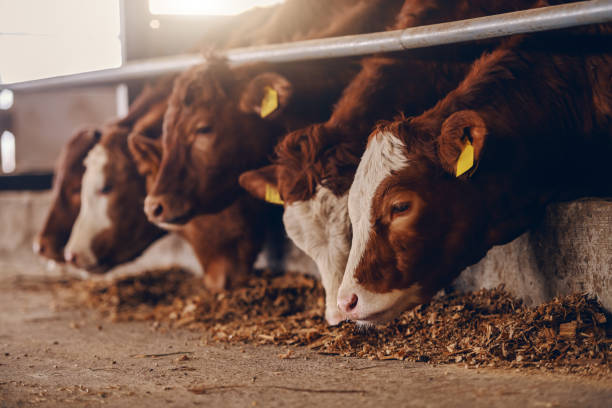
The global demand for lamb is on the rise, driven by its nutritional benefits and unique taste. As the industry grows, there is an increasing need to adopt sustainable practices that ensure the well-being of animals, the environment, and communities. Sustainability in lamb production not only aids in reducing the carbon footprint but also aligns with consumer preferences for ethically sourced produce. This article explores various strategies that can enhance lamb production while emphasizing sustainability.
Understanding the Principles of Sustainable Lamb Production
Sustainable lamb production involves a balanced approach that considers environmental impact, animal welfare, and economic viability. Producers are encouraged to implement practices that:
- Minimize waste and reduce resource consumption.
- Promote soil health and biodiversity.
- Ensure ethical treatment and management of livestock.
Learn more about these principles and their implementation in this detailed guide.
Innovative Practices in Sustainable Farming
Regenerative Agriculture
Regenerative agriculture is a holistic land management practice that improves soil health, enhances biodiversity, and increases water retention. Key practices include:
- Rotational grazing to prevent overgrazing and encourage pasture recovery.
- Cover cropping to reduce soil erosion and improve nutrient content.
- Integrating livestock with crop production to enhance ecosystem resilience.
Explore further insights on regenerative agriculture here.
Precision Farming
Precision farming leverages technology to optimize resource use and increase production efficiency. Techniques include:
- Using GPS and drones for precise monitoring of livestock and pasture conditions.
- Implementing data analytics to make informed decisions on feed, breeding, and health management.
- Automated systems for efficient watering and feeding of animals.
Find additional information on precision farming strategies here.
Challenges and Opportunities in Sustainable Lamb Production
While the shift towards sustainable practices offers numerous benefits, it also presents challenges such as:
- The initial cost of adopting new technologies and practices.
- Need for training and education among farmers.
- Balancing productivity with environmental stewardship.
Despite these challenges, sustainable lamb production presents significant opportunities for producers to meet consumer demands for eco-friendly products and to contribute positively to environmental conservation. Read more about this topic.
The Role of Policy and Consumer Awareness
Government policies and consumer awareness play a crucial role in driving sustainable lamb production. Effective policies can provide incentives for farmers to adopt sustainable practices, while informed consumers can create market demand for sustainably produced lamb. Key strategies include:
- Providing subsidies and financial support for sustainable farming initiatives.
- Implementing labeling schemes to inform consumers about sustainable products.
- Encouraging educational programs that raise awareness about the benefits of sustainable agriculture.
Learn more about the role of policy in sustainable farming here.
In conclusion, enhancing lamb production through sustainability is a multifaceted approach that requires collaboration between producers, policymakers, and consumers. By embracing sustainable practices, the lamb industry can ensure long-term viability while contributing to the health of our planet. Explore further insights into sustainable lamb production.
