Innovations in Amorphous Steel Lamination Manufacturing
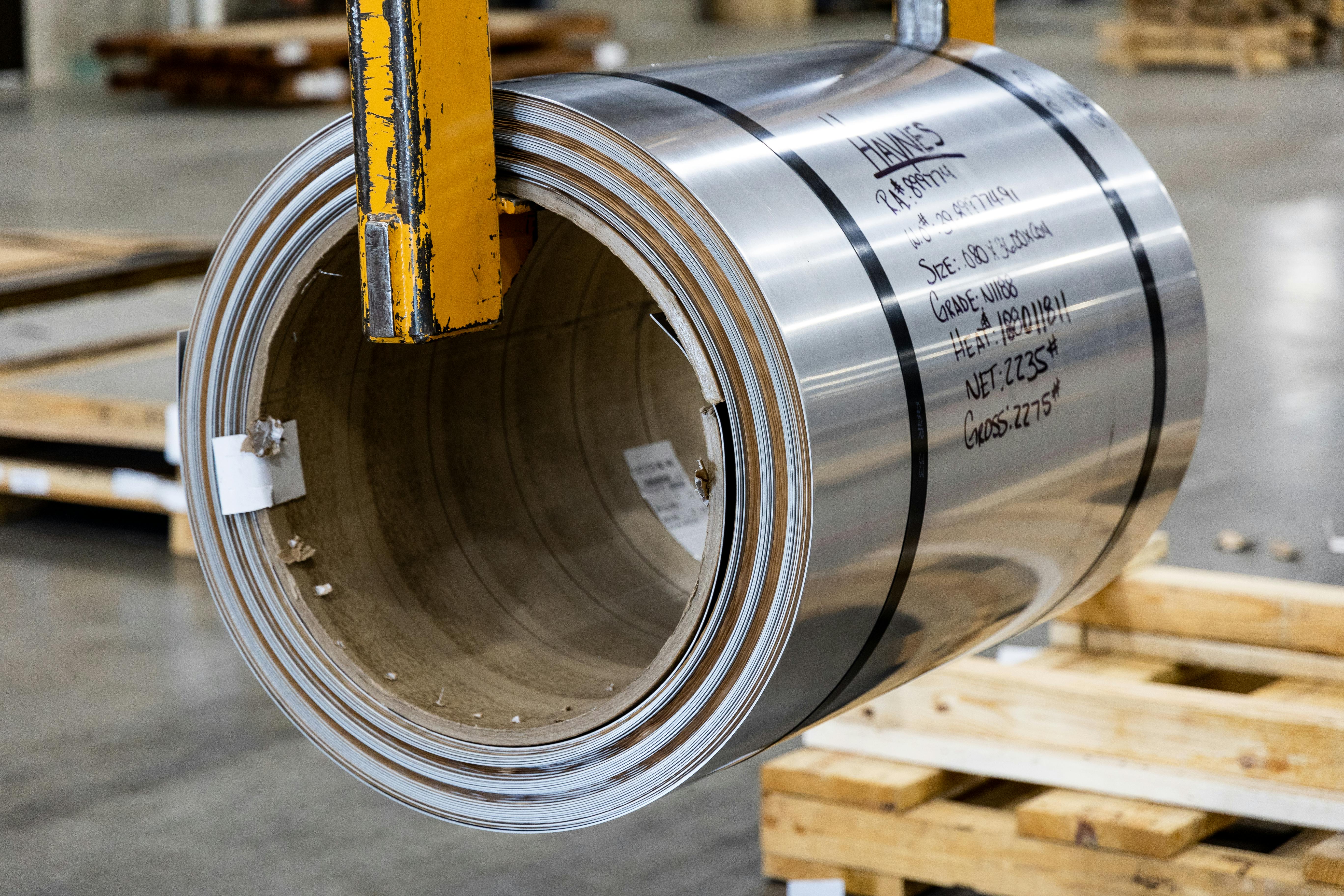
In the ever-evolving landscape of material science, amorphous steel has emerged as a revolutionary player, particularly in the field of lamination manufacturing. Amorphous steel, characterized by its non-crystalline structure, offers remarkable advantages over traditional crystalline metals, including enhanced strength and reduced energy losses. The manufacturing of Amorphous Steel Lamination is gaining traction as industries strive for more efficient and sustainable solutions.
Understanding Amorphous Steel
Amorphous steel, also known as metallic glass, is formed by rapidly cooling molten metal, preventing the formation of a crystalline structure. This unique process results in a material that combines the structural properties of metals with the disordered atomic arrangement of glass. The benefits of amorphous steel include:
- Higher energy efficiency due to reduced eddy current losses.
- Increased strength and hardness compared to crystalline counterparts.
- Improved resistance to wear and corrosion.
- Enhanced magnetic properties.
Innovations in Manufacturing Techniques
Advanced Casting Methods
One of the major advancements in the manufacturing of amorphous steel laminations is the development of advanced casting techniques. These techniques allow for the production of thin ribbons of amorphous steel, essential for applications in transformers and motors. The use of precision casting:
- Ensures uniform thickness and composition.
- Reduces material waste.
- Enhances the scalability of production processes.
Bonding Techniques
An emerging area in amorphous steel manufacturing is the application of Bonded Amorphous Steel Lamination. Bonding involves adhering layers of amorphous steel lamination together to form a cohesive unit, which offers several advantages:
- Improved structural integrity and mechanical performance.
- Enhanced thermal and electrical conductivity.
- Reduced noise and vibration in electrical applications.
Applications and Benefits
The unique properties of amorphous steel laminations have led to their adoption in various applications, particularly in the electrical and electronics industries. Key applications include:
- Transformers: Amorphous steel is widely used in transformer cores due to its low energy losses, contributing to higher efficiency and reduced operational costs.
- Electric Motors: The use of amorphous steel laminations in motors enhances performance and reduces heat generation, leading to longer lifespan and lower maintenance.
- Renewable Energy: Amorphous steel’s efficiency improvements are critical in renewable energy technologies, such as wind and solar power systems.
Future Prospects
As technology advances, the future of amorphous steel lamination manufacturing looks promising. Continued research and development are expected to:
- Further reduce production costs, making amorphous steel more accessible for diverse applications.
- Enhance material properties through alloying and compositional innovations.
- Expand the use of amorphous steel in new industries, such as automotive and aerospace.
In conclusion, the innovations in amorphous steel lamination manufacturing are paving the way for more sustainable and efficient industrial practices. As industries continue to seek green and cost-effective solutions, amorphous steel stands out as a material of choice. The ongoing advancements in manufacturing techniques and the growing range of applications underscore the transformative potential of this remarkable material.
