Maximizing Energy Efficiency in Sustainable Buildings
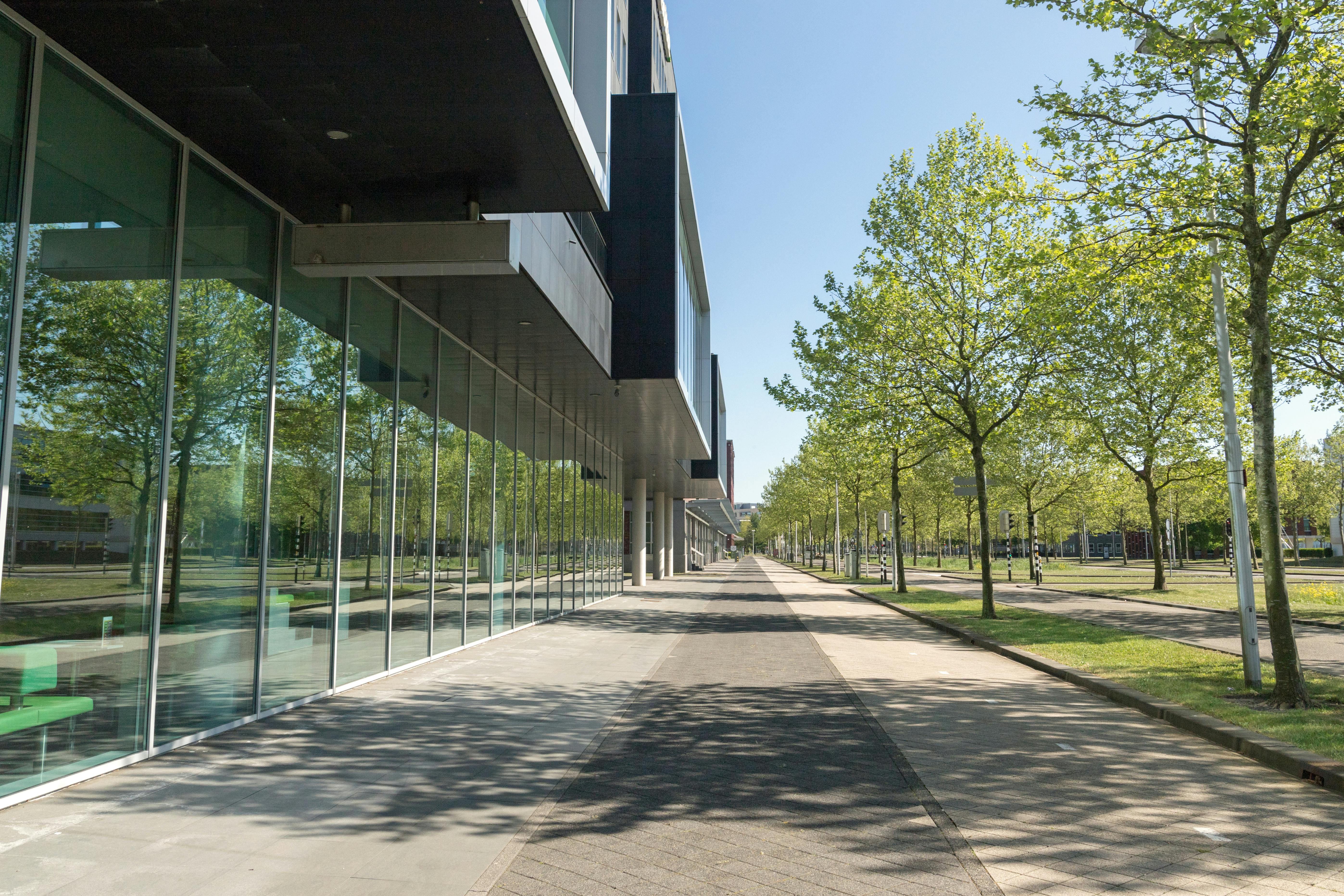
In recent years, the importance of sustainability in the construction industry has escalated, driven by increasing environmental awareness and the need to reduce carbon footprints. Sustainable buildings are designed to minimize resource consumption while maximizing energy efficiency. This approach not only reduces operational costs but also contributes significantly to environmental conservation. The journey to achieving energy efficiency in sustainable buildings involves various strategies and technologies, which can be tailored to meet the specific needs of different structures.
Understanding Energy Efficiency in Sustainable Buildings
Energy efficiency in sustainable buildings focuses on reducing energy consumption without compromising comfort or functionality. It encompasses the design, construction, and operation phases, ensuring that every aspect of the building contributes to lower energy usage. To effectively implement energy-efficient measures, it’s crucial to understand the core areas where improvements can be made.
Key Elements of Energy Efficiency
- Insulation: Proper insulation reduces the need for heating and cooling, cutting down on energy use.
- Efficient HVAC Systems: Using advanced heating, ventilation, and air conditioning systems can significantly reduce energy consumption.
- Lighting: Incorporating LED lighting and smart controls can lead to considerable energy savings.
- Renewable Energy Sources: Using solar panels or wind turbines can provide a sustainable energy supply.
- Smart Building Technologies: Automation and IoT devices can optimize energy use in real-time.
For additional insights on how to implement these elements into construction projects, Discover expert strategies here.
Designing for Energy Efficiency
The design phase is critical in setting the groundwork for energy efficiency. Architects and engineers should collaborate closely to integrate sustainable principles from the onset of a project. This involves:
- Site Orientation: Positioning the building to maximize natural light and reduce exposure to harsh weather.
- Material Selection: Choosing materials with low thermal conductivity and high thermal mass.
- Building Envelope: Designing a tight building envelope to prevent energy loss.
For more guidance on sustainable design practices, Explore advanced guides and tips.
Operational Strategies for Energy Efficiency
Once a building is operational, continuous monitoring and maintenance ensure that energy efficiency is sustained over time. This involves:
- Regular Maintenance: Keeping systems in peak condition to prevent energy waste.
- Energy Audits: Conducting audits to identify areas for improvement.
- Behavioral Changes: Encouraging occupants to adopt energy-saving habits.
To learn more about maintaining energy-efficient operations, Learn about our tailored solutions.
Future Trends and Innovations
The future of sustainable buildings is promising, with innovations in technology continually enhancing energy efficiency. Trends such as net-zero energy buildings, where energy consumption is balanced with renewable energy generation, are gaining traction. Moreover, advancements in building automation and the use of artificial intelligence are poised to revolutionize energy management.
To stay updated on these developments, Find out more about this approach.
