Reformer Pilates Machine for Beginners: Easy Steps to Buy Pilates Reformer
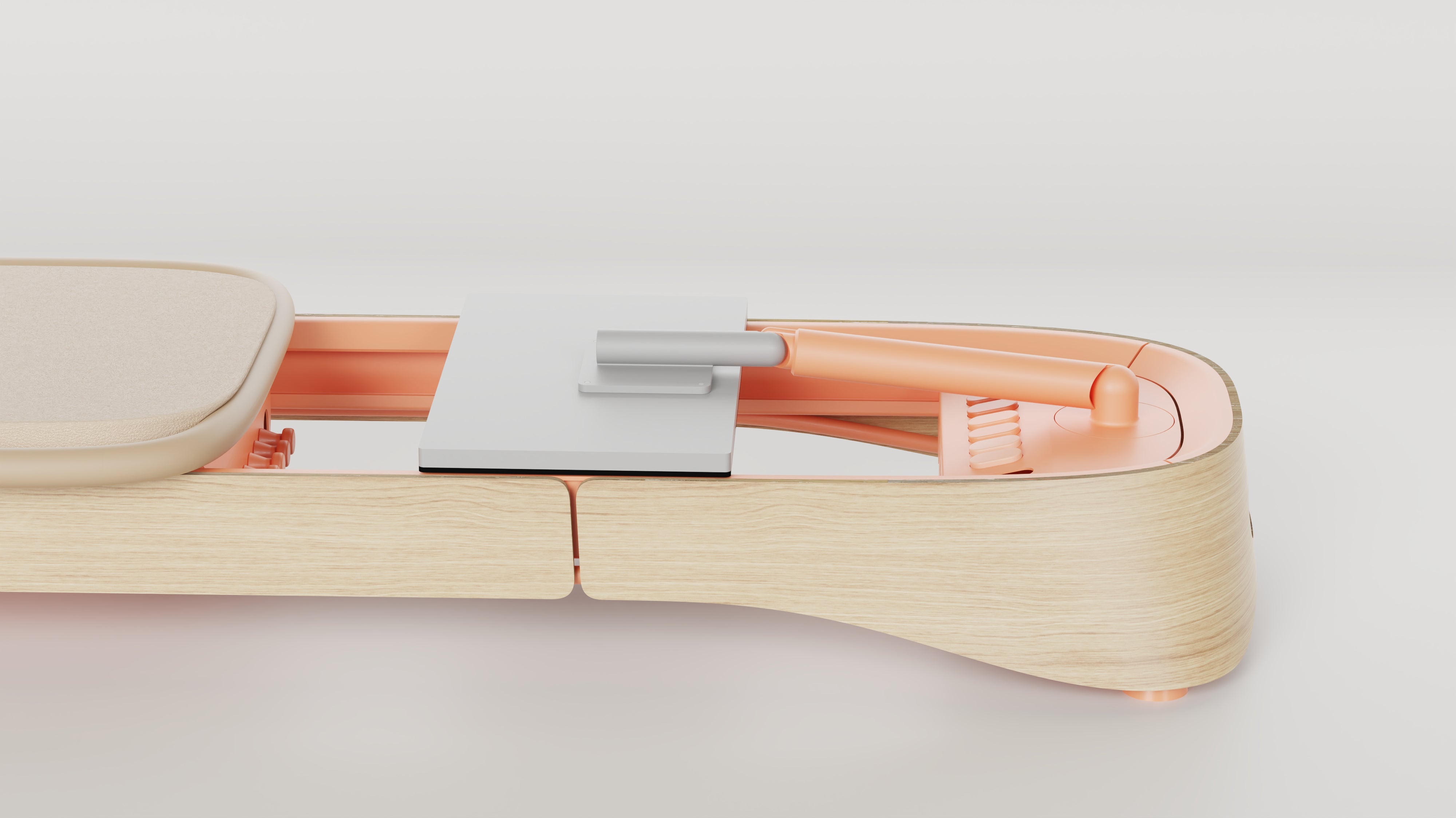
Starting a Pilates practice can feel overwhelming, especially when the equipment options seem endless. The reformer, a cornerstone of modern Pilates studios, offers a versatile platform for strengthening, stretching, and improving core stability. For beginners, choosing the right reformer involves understanding key features, budget considerations, and the type of training environment that best supports long-term progress. This guide breaks down the essential steps to help newcomers make an informed purchase, ensuring the chosen machine aligns with personal goals and space constraints.
Why a Reformer Is Ideal for Beginners
The reformer’s sliding carriage, adjustable springs, and optional accessories create a low-impact yet highly effective workout. Compared with mat work alone, the reformer provides:
- Controlled resistance that can be fine-tuned for any fitness level.
- Guided movement patterns that promote proper alignment.
- Opportunities to explore a broader range of exercises without excessive strain.
These benefits translate into faster skill acquisition and reduced risk of injury, making the reformer a smart entry point for anyone serious about Pilates.
Step-by-Step Buying Guide
1. Define Your Space and Budget
Before clicking “add to cart,” measure the intended area. A standard reformer requires roughly 8-10 feet of length and 4-5 feet of width, plus clearance for the moving carriage. Budget ranges typically fall into three categories:
- Entry-level models: $1,200 – $2,000 – basic frame, limited spring options.
- Mid-range models: $2,000 – $3,500 – sturdier construction, more adjustable springs, optional accessories.
- Premium models: $3,500+ – commercial-grade components, digital resistance tracking, extended warranty.
2. Evaluate Core Features
Focus on the elements that directly affect training quality:
- Spring system: Look for a wide range of tension levels; steel springs are durable, while rubber bands add versatility.
- Carriage glide: Smooth, low-friction rollers reduce wear and provide a quiet workout.
- Adjustable foot bar and straps: Essential for customizing posture and targeting specific muscle groups.
- Frame material: Aluminum offers lightweight portability; steel provides maximum stability.
3. Research Brand Reputation and Support
Choosing a reputable manufacturer can simplify maintenance and guarantee parts availability. Look for:
- Clear warranty terms (typically 2-5 years on frame, 1 year on springs).
- Responsive customer service channels.
- Positive user reviews that mention durability and ease of assembly.
For a trusted source that balances performance and price, Discover expert strategies here provides detailed specifications and user feedback.
4. Test Before You Commit (If Possible)
Many studios and specialty retailers allow hands-on trials. Even a brief 30-minute session can reveal how the carriage feels, how easily the springs adjust, and whether the foot bar aligns with your body mechanics. If a physical test isn’t feasible, request a video demonstration from the seller.
5. Consider Long-Term Growth
Think beyond the first few months. A reformer that can accommodate future upgrades, such as additional attachments, digital resistance modules, or a wider spring range, will serve you longer. This foresight reduces the need for a complete replacement as skills advance.
Essential Accessories for a Beginner’s Setup
While the core reformer delivers a complete workout, a few accessories can enhance comfort and variety:
- Reformer mat: Provides cushioning for the carriage and protects flooring.
- Resistance bands: Offer extra challenge for upper-body work.
- Pedal attachments: Expand leg-focused exercises.
- Instructional DVD or streaming subscription: Guides proper form and progression.
Guides that outline accessory integration can be found at Learn about our tailored solutions, helping beginners select the most effective add-ons.
Maintaining Your Reformer
Regular upkeep ensures smooth operation and extends the lifespan of the machine.
Routine Checks
- Inspect springs for wear every 3-4 months; replace if frayed.
- Wipe down the carriage and frame after each session to prevent sweat corrosion.
- Lubricate rollers according to the manufacturer’s recommendations (usually once a year).
Storage Tips
- Keep the reformer on a flat, level surface away from direct sunlight.
- If space is limited, consider a fold-able model that can be stored vertically.
For a deeper dive into maintenance schedules, Explore advanced guides and tips that cover both beginner and advanced care routines.
Making the Purchase Decision
After evaluating space, budget, features, and support, compare at least two models side-by-side. Create a simple checklist:
- Does the spring range match my current fitness level?
- Is the warranty comprehensive enough for peace of mind?
- Are accessories included or easily purchasable?
- Does the seller provide clear assembly instructions?
When the checklist aligns, proceed with confidence. A well-chosen reformer becomes a long-term partner in building core strength, flexibility, and body awareness.
Final Thoughts
Investing in a reformer Pilates machine is a commitment to holistic health. By following the structured steps outlined above, defining space, scrutinizing features, testing the unit, and planning for future growth, beginners can avoid common pitfalls and select a machine that grows with them. The right reformer not only supports effective workouts but also inspires consistent practice, leading to measurable improvements in posture, mobility, and overall wellbeing. For further reading and to view a curated selection of beginner-friendly models, Find out more about this approach and explore the options that best match personal goals.
