Tankless Geyser vs. Traditional Water Heaters: Which Is Better?
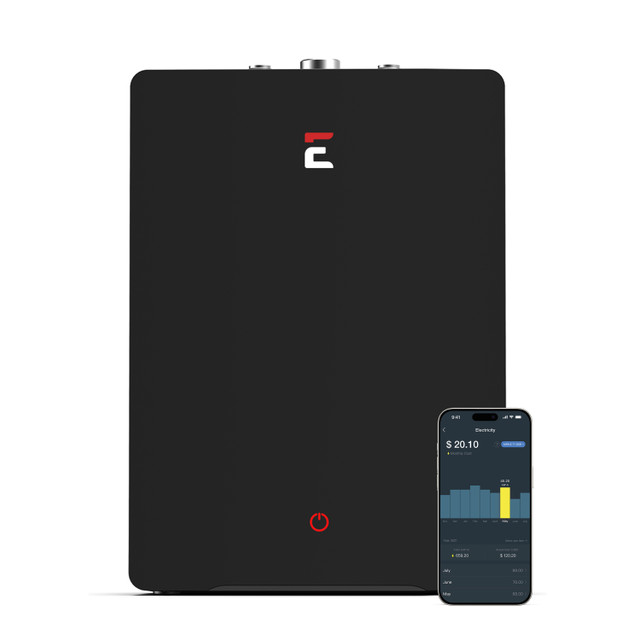
When it comes to providing hot water for household needs, the choice between a tankless geyser and a traditional water heater is an important decision for homeowners. Each option has its benefits and drawbacks, which can significantly impact energy efficiency, cost, and the overall convenience of use. Understanding the differences between these two types of water heating systems can help make an informed decision aligned with specific needs and preferences.
Understanding Tankless Geysers
Tankless geysers, also known as on-demand water heaters, have gained popularity due to their energy efficiency and compact design. Here are some key features:
- Energy Efficiency: Tankless geysers heat water only when it is needed, which means they do not incur standby energy losses typically associated with traditional water heaters.
- Space Saving: These units are compact and can be mounted on walls, freeing up valuable floor space.
- Longevity: With proper maintenance, tankless geysers often have a longer lifespan compared to traditional heaters.
For those interested in understanding more about the energy-saving benefits of tankless geysers, discover expert strategies here.
Evaluating Traditional Water Heaters
Traditional water heaters store hot water in a tank, ready for use at any time. They are known for their reliability and simplicity. Key aspects include:
- Initial Cost: Typically, the initial purchase and installation costs of traditional water heaters are lower than those of tankless units.
- Consistency: They provide a steady supply of hot water, which can be beneficial for simultaneous multiple uses.
- Ease of Installation: Traditional water heaters generally involve simpler installation processes.
To explore more about the benefits and considerations associated with traditional water heaters, learn about our tailored solutions.
Comparative Analysis
Cost Considerations
While the upfront costs of tankless geysers can be higher, they often result in lower utility bills due to their efficiency. On the other hand, traditional water heaters may have lower initial costs but can lead to higher energy expenses over time.
For a comprehensive guide to understanding the financial implications of each option, explore advanced guides and tips.
Performance and Suitability
The performance of a water heater depends largely on the household’s hot water demand:
- Tankless geysers are ideal for households with lower to moderate hot water needs and limited space.
- Traditional water heaters may better serve larger families with high hot water demands or properties with multiple bathrooms.
To assess which option aligns with specific performance needs, find out more about this approach.
Environmental Impact
When considering the environmental impact, tankless geysers often emerge as the more eco-friendly choice due to reduced energy consumption. However, the electricity or gas source also plays a critical role in the overall environmental footprint.
Conclusion
Choosing between a tankless geyser and a traditional water heater requires careful consideration of various factors, including cost, energy efficiency, space, and water demand. Both systems offer unique advantages that cater to different needs. By evaluating these aspects, homeowners can select the most suitable option for their lifestyle and home design. For those seeking further guidance on choosing the right water heating system, explore advanced guides and tips.
