The Importance of Radon Mitigation in Denver
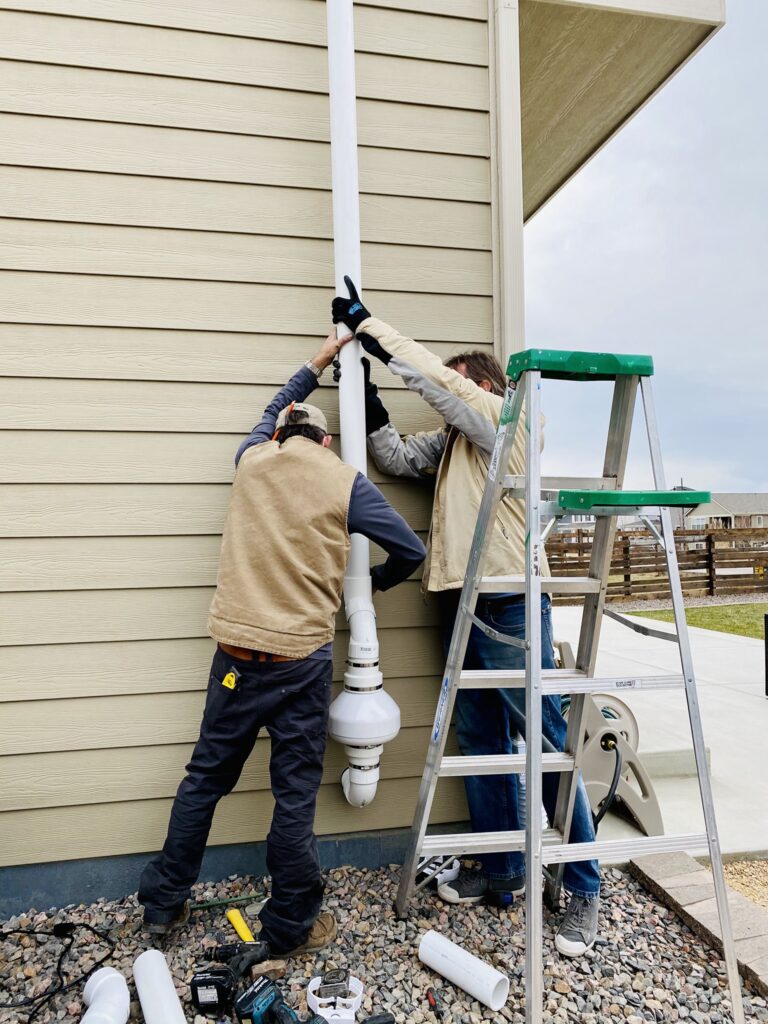
Radon is a naturally occurring radioactive gas that poses a significant health risk to humans. It is colorless, odorless, and tasteless, making it particularly hazardous because it can accumulate in homes without detection. In Denver, the presence of radon is a critical concern due to the geological conditions that favor its production. Understanding the importance of radon mitigation and implementing effective strategies is vital to safeguarding public health in this region.
Understanding Radon and Its Health Impacts
What is Radon?
Radon is produced from the natural decay of uranium found in soil, rock, and water. It can move up through the ground and into homes through cracks and other openings in the foundation. Once inside, radon can accumulate to dangerous levels.
Health Risks Associated with Radon
- Long-term exposure to radon is the second leading cause of lung cancer after smoking.
- The risk is particularly high for those who spend significant amounts of time in basements or lower levels of buildings.
- Non-smokers are also at risk, and radon exposure can significantly increase the likelihood of developing lung cancer.
For more detailed information on radon and its effects, find out more about this approach.
The Necessity of Radon Mitigation in Denver
Why Denver Residents Should Be Concerned
Denver’s unique geological features and the composition of its soil make it prone to higher radon levels. Homes in this area are particularly susceptible to radon infiltration, increasing the urgency for effective mitigation measures.
Benefits of Radon Mitigation
- Reduces the risk of lung cancer by lowering radon levels in homes.
- Improves overall indoor air quality.
- Enhances home safety and increases property value by addressing potential hazards.
To understand the specific steps involved in reducing radon levels, explore advanced guides and tips.
Effective Radon Mitigation Strategies
Testing for Radon
Testing is the first step in radon mitigation. It involves measuring the levels of radon in the air to determine the necessary mitigation actions. Short-term and long-term tests are available to provide a comprehensive understanding of radon levels.
Mitigation Techniques
- Sub-slab Depressurization: The most common and effective method which involves creating a vacuum under the foundation to redirect radon outside.
- Sealing Cracks and Openings: While not a standalone solution, it helps complement other mitigation strategies by reducing radon entry points.
- Ventilation Improvements: Enhancing air circulation can help dilute indoor radon levels.
For a detailed overview of these strategies, discover expert strategies here.
Choosing the Right Mitigation System
Factors to Consider
- Home Structure: The design and construction of a home can influence the choice of mitigation system.
- Radon Levels: Higher levels may require more robust systems or a combination of techniques.
- Professional Assessment: Engaging experts ensures that the chosen system is effective and tailored to specific needs.
To ensure the best outcome, learn about our tailored solutions for radon mitigation.
Conclusion
Radon mitigation is an essential consideration for Denver residents due to the potential health risks associated with prolonged exposure. By understanding the importance of testing and implementing effective mitigation strategies, individuals can protect their health and enhance their quality of life. For those seeking comprehensive guidance, find out more about this approach to ensure a safer living environment.
