Vinyl Flooring vs. Solid Timber Flooring: A Comparison
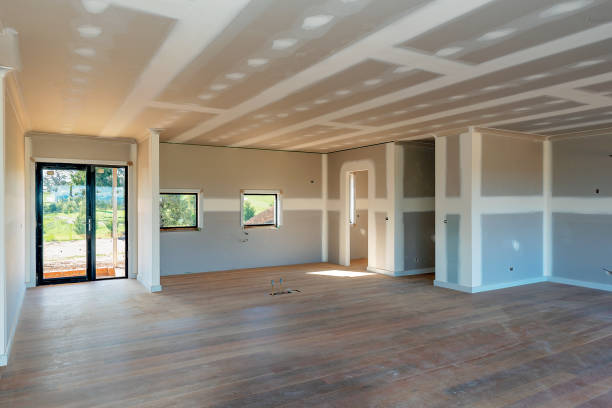
In the realm of home flooring, the choice between vinyl and solid timber flooring often presents a significant dilemma for homeowners. While both options offer unique benefits, they cater to different aesthetics, budgets, and functional needs. This article delves into a detailed comparison of vinyl flooring and solid timber flooring, providing insights into their characteristics, advantages, and potential drawbacks. This comprehensive guide will aid in making an informed decision that aligns with specific preferences and requirements.
Characteristics and Composition
Vinyl Flooring
Vinyl flooring is a synthetic flooring option made from polyvinyl chloride (PVC) resins and additives. Known for its versatility, it mimics the appearance of natural materials like wood and stone while offering enhanced durability.
- Available in planks, tiles, or sheets for varied installation options.
- Water-resistant, making it ideal for kitchens and bathrooms.
- Cost-effective compared to natural materials.
Explore advanced guides and tips for vinyl flooring installation here.
Solid Timber Flooring
Solid timber flooring is crafted from natural hardwood, offering a classic and timeless appeal. Each plank is made from a single piece of wood, providing unmatched natural beauty and warmth.
- Available in various species such as oak, maple, and cherry.
- Can be sanded and refinished multiple times for longevity.
- Increases property value due to its premium nature.
Find out more about this approach to solid timber flooring here.
Durability and Maintenance
Vinyl Flooring
Vinyl flooring is renowned for its durability, particularly in high-traffic areas. Its maintenance requirements are minimal, demanding only regular sweeping and occasional mopping.
- Scratch-resistant, making it suitable for homes with pets and children.
- Does not warp or swell in humid environments.
- Long lifespan, with high-quality options lasting up to 20 years.
Discover expert strategies for maintaining vinyl flooring here.
Solid Timber Flooring
While solid timber flooring is less resistant to moisture compared to vinyl, it offers remarkable durability when properly maintained.
- Requires regular polishing and occasional refinishing to maintain luster.
- Susceptible to scratches; protective pads on furniture are recommended.
- Potential for decades of use with proper care.
Learn about our tailored solutions for maintaining timber flooring here.
Aesthetic Appeal and Versatility
Vinyl Flooring
Vinyl flooring provides a wide range of design possibilities, from traditional wood-like textures to modern, sleek finishes. This flexibility allows it to adapt to various interior styles.
- Available in numerous colors and patterns to match any decor.
- Can replicate high-end materials at a fraction of the cost.
- Easy to install, often accommodating DIY projects.
Explore advanced guides and tips for selecting vinyl flooring designs here.
Solid Timber Flooring
Solid timber flooring exudes natural elegance, with each plank offering unique grain patterns and color variations. Its timeless beauty complements both traditional and contemporary settings.
- Natural wood tones add warmth and character to any space.
- Customizable with various finishes and stains.
- Enhances acoustics, adding to the ambiance of a room.
Find out more about this approach to enhancing your home’s aesthetic with solid timber flooring here.
Conclusion
Choosing between vinyl and solid timber flooring depends on several factors including budget, aesthetic preferences, and functional requirements. Vinyl offers cost-efficiency, durability, and design versatility, while solid timber provides natural beauty and long-term value. Carefully weighing these aspects will guide homeowners in selecting the optimal flooring solution for their space. For more insights, explore detailed resources and expert advice.
