The Importance of Carbon Dioxide Capture in Environmental Conservation
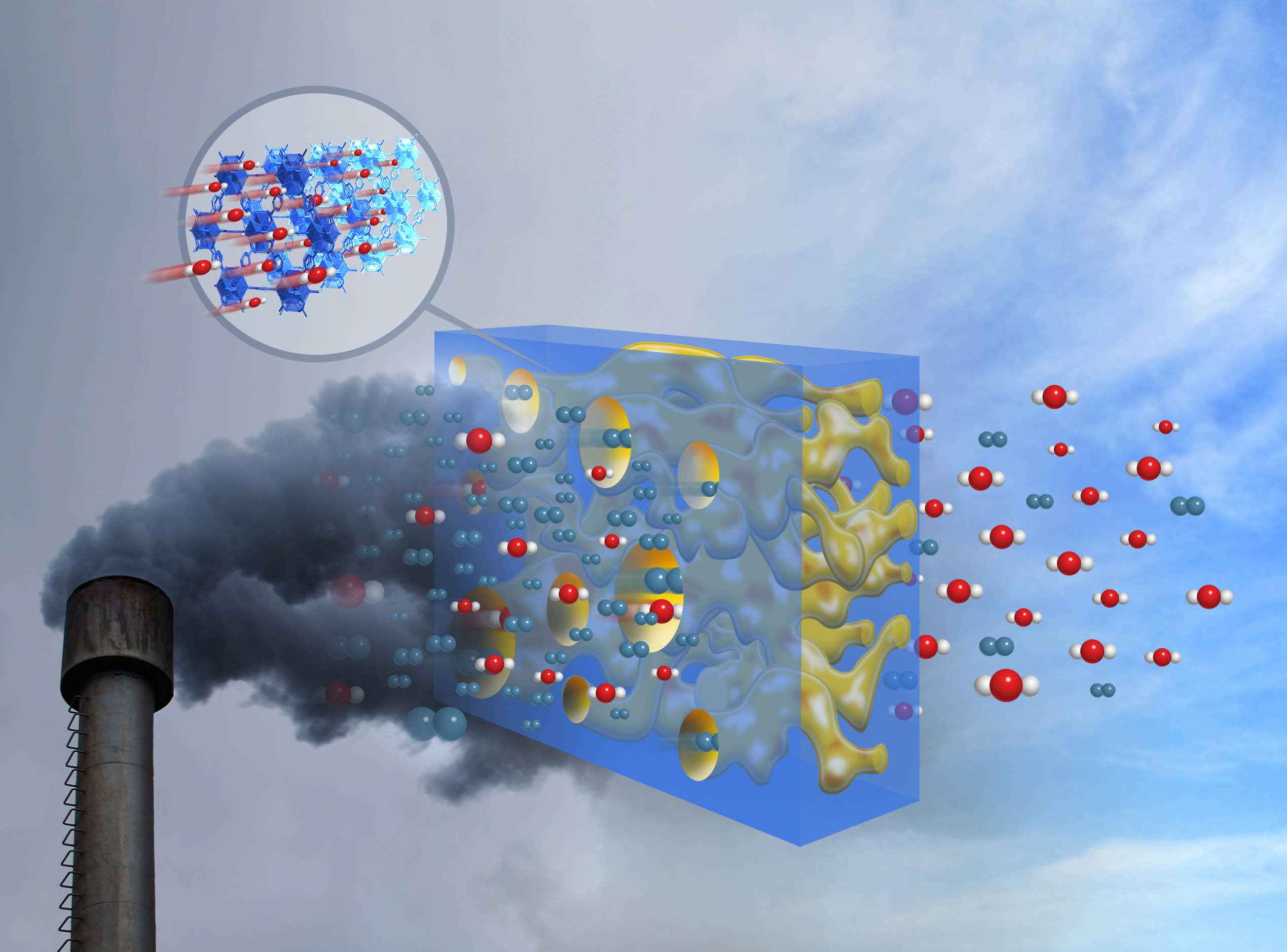
In the face of escalating concerns about climate change and its manifold impacts on the environment, carbon dioxide capture has emerged as a pivotal strategy in the broader framework of environmental conservation. As human activities continue to escalate the concentration of greenhouse gases in the atmosphere, primarily carbon dioxide, the need for effective mitigation strategies becomes more critical. Carbon dioxide capture technologies offer a promising avenue to address these challenges by significantly reducing the amount of CO2 released into the atmosphere, thereby contributing to the stabilization of global temperatures and the mitigation of climate-related risks.
The Role of Carbon Dioxide in Climate Change
Carbon dioxide is a major greenhouse gas, and its accumulation in the atmosphere is a significant driver of global warming. The burning of fossil fuels, deforestation, and various industrial processes have exponentially increased CO2 emissions. This accumulation has multiple impacts:
- Increased global temperatures leading to climate shifts.
- Rising sea levels due to polar ice melt.
- Acidification of oceans affecting marine biodiversity.
- Extreme weather patterns causing natural disasters.
The urgency to address these issues cannot be overstated, and carbon dioxide capture plays a crucial role in mitigating these effects.
Understanding Carbon Dioxide Capture
Carbon dioxide capture is a process that involves trapping CO2 emissions from sources such as power plants and industrial facilities before they can enter the atmosphere. This captured CO2 can then be stored underground or utilized in various industrial processes. The technology encompasses several approaches:
1. Pre-combustion Capture
This method involves removing carbon dioxide before the combustion process. It is particularly useful in integrated gasification combined cycle (IGCC) plants. The process includes:
- Gasifying fossil fuels to produce syngas.
- Separating hydrogen from CO2 for cleaner combustion.
2. Post-combustion Capture
This technique captures CO2 after fossil fuels have been burned. It is applicable to existing power plants and involves:
- Using solvents or filters to capture CO2 from flue gases.
- Retrofitting current plants to reduce emissions.
3. Oxy-fuel Combustion
In this process, fossil fuels are burned in oxygen instead of air, resulting in a flue gas that is mainly water vapor and CO2, which can be easily separated. This method offers:
- High purity CO2 streams for effective capture.
- Reduced nitrogen oxide emissions.
Benefits of Carbon Dioxide Capture
The implementation of carbon dioxide capture technologies offers numerous environmental and economic benefits:
- Environmental Protection: By reducing CO2 emissions, these technologies help curb global warming and its associated impacts.
- Economic Opportunities: The captured CO2 can be utilized in industries such as agriculture, enhanced oil recovery, and the production of synthetic fuels.
- Energy Security: Encouraging the development of cleaner energy sources and reducing reliance on fossil fuels.
Challenges and the Path Forward
Despite the significant potential of carbon dioxide capture, challenges remain in terms of cost, scalability, and public perception. The path forward includes:
- Investment in research and development to enhance capture technologies and reduce costs.
- Policies and incentives to encourage adoption by industries.
- Public awareness campaigns to emphasize the importance of carbon capture in combating climate change.
As the world seeks sustainable solutions to the pressing challenges of climate change, carbon dioxide capture stands out as a critical component of a comprehensive environmental strategy. Through continued innovation and collaborative efforts, this technology offers a tangible pathway to a more sustainable and resilient future.
